
Skin Tag, Cyst & Growth Removal
in Denver
What Are Benign Skin Growths?
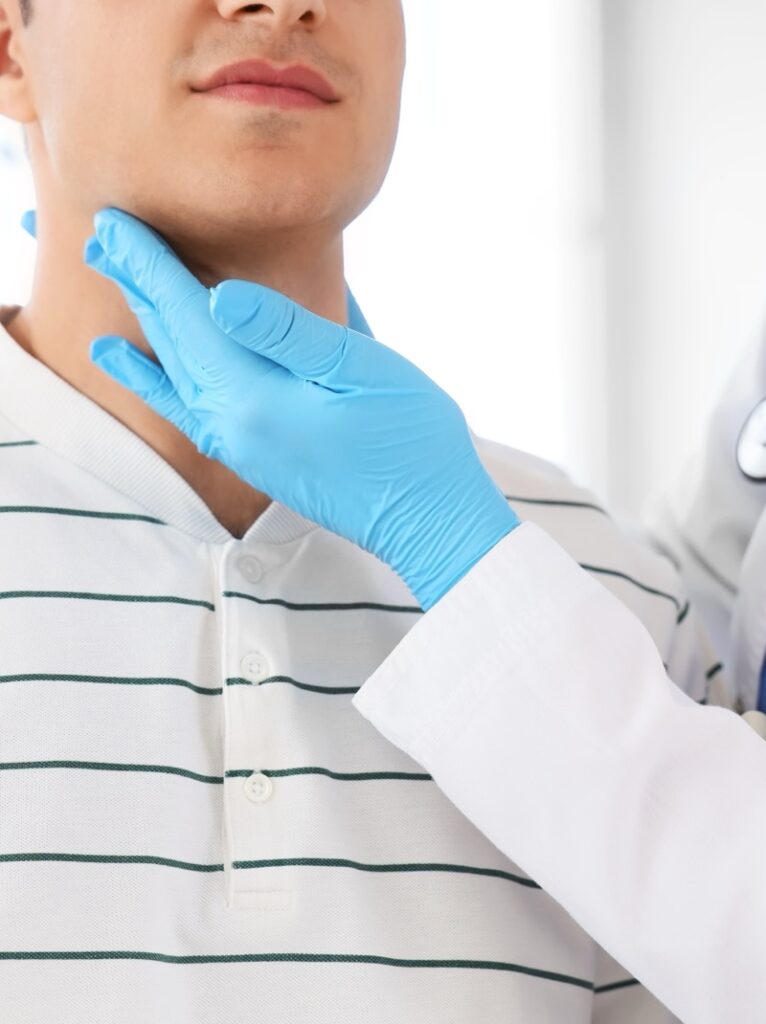
Skin tags, epidermoid cysts, seborrheic keratoses, milia and sebaceous hyperplasia are all benign — harmless growths that show up with age, friction and years of Colorado sun. They aren’t cancer and they aren’t dangerous. They’re just there: catching on collars and jewelry, showing up in photos, and slowly multiplying year after year.
Most people don’t come in worried. They come in because they want the growth gone. Our dermatology team confirms the growth is benign, then removes it — usually in the same visit you’re seen. Flat cash pricing starts at $95, and you’ll know exactly what it costs before anything is done.

Three Ways We Remove Growths
Snip & Shave Removal
The fastest option for skin tags and raised surface growths — numbed, removed in seconds, and usually done the same visit you are seen.
Cryotherapy
Liquid-nitrogen freezing for seborrheic keratoses and small surface growths. No cutting, no stitches — the growth flakes away over a week or two.
Surgical Excision
For cysts and deeper growths, the whole growth comes out — including the sac — under local anesthetic, closed with fine sutures.

Questions About Skin Tags & Growths? Ava Has Answers
How Each Removal Works
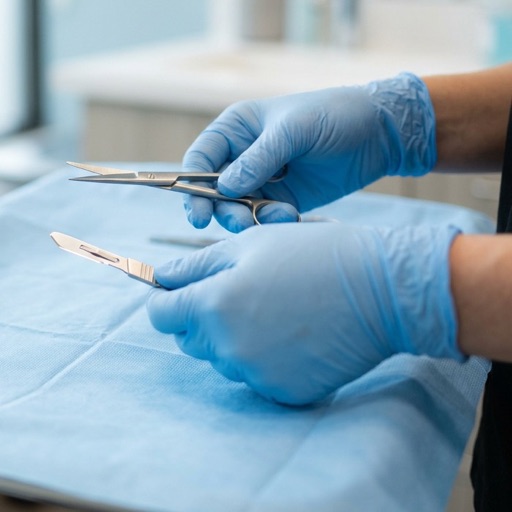
Snip & Shave Removal
The fastest option, used for skin tags and raised growths that sit on the surface:
- The area is numbed with topical or injected anesthetic
- The growth is removed with sterile snips or a shave blade
- Takes seconds per growth
- Multiple growths can be cleared in the same visit
- Skin tag removal starts at $95
Most patients are surprised how quick it is — the numbing usually takes longer than the removal itself.
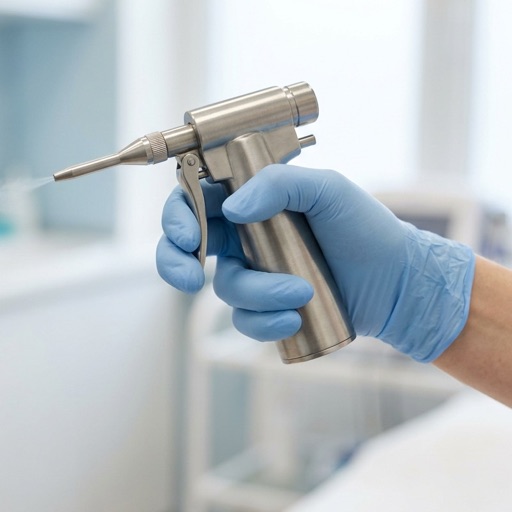
Cryotherapy
Liquid nitrogen freezes the growth so your skin sheds it over the following week or two:
- Best for seborrheic keratoses and small surface growths
- No cutting and no stitches
- Seconds per lesion
- A small blister or scab forms, then flakes away on its own
- Cryotherapy — $XXX
Thicker or stubborn growths occasionally need a second freeze at a short follow-up.
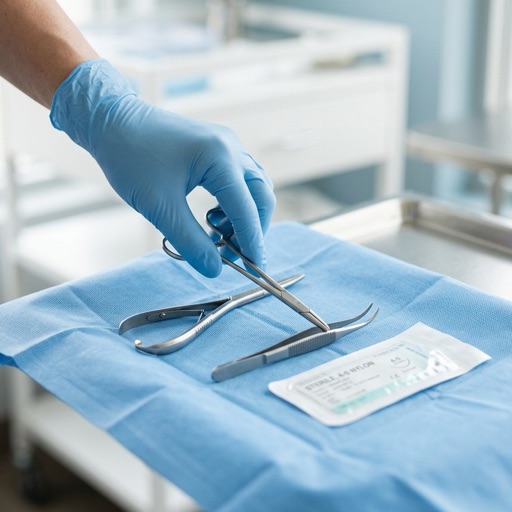
Surgical Excision
For cysts and deeper growths the whole thing has to come out — including the sac:
- Local anesthetic numbs the area completely
- The growth and its capsule are removed in full
- Closed with fine sutures
- Fully excised cysts rarely come back
- Inflamed cysts can be calmed with a steroid injection first — $XXX
Sutures come out at a quick follow-up, usually one to two weeks later.
Flat Cash Pricing
Removal of a benign growth is usually considered cosmetic, which means insurance typically won’t cover it. So we price it flat and tell you the number up front — no estimates, no surprise bill weeks later.
- Skin tag removal — from $95
- Cash mole check — $150
- Cryotherapy — $XXX
- Steroid injection (inflamed cysts) — $XXX
Medically necessary removal — an infected or inflamed cyst, for example — can be billed to insurance.

What Happens During Treatment?
Consultation
Procedure
Recovery
20+ Years of Denver Skin Care
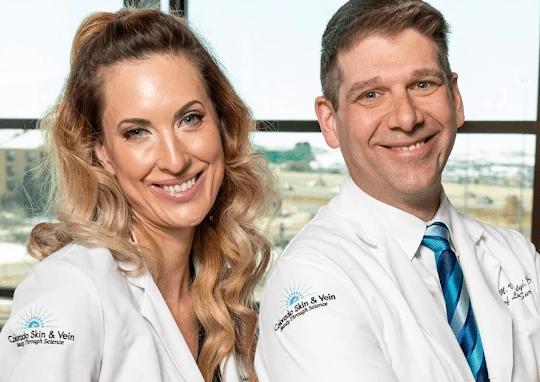
- Experienced dermatology provider team
- Every growth confirmed benign before it's removed
- Dermoscopy used whenever a lesion needs a closer look
- Most removals completed the same visit you're seen
- Flat, transparent cash pricing — no surprise bills
Growth Removal FAQ
Will removal leave a scar?
Any time skin is broken there’s a mark, but for benign growth removal it’s minimal. Skin tags and shave removals usually leave a small pink spot that fades over several weeks. Excisions leave a thin line. Technique matters a great deal here — correct depth, clean margins and the right closure are what keep the mark small, which is exactly why it’s worth having a dermatology provider do it rather than trying it at home.
Will the growth grow back?
A growth that has been removed doesn’t regrow. New ones can form elsewhere, though — if you’re prone to skin tags or seborrheic keratoses your skin will likely keep making them, and plenty of patients come back once a year to have new ones cleared. Cysts are the exception worth understanding: a cyst that’s fully excised, sac and all, rarely recurs, while one that’s only drained will usually refill.
Is removal covered by insurance?
Usually not. Removing a benign growth because you don’t like how it looks or how it catches on clothing is considered cosmetic, and insurance plans don’t cover cosmetic procedures. That’s why we use flat cash pricing — skin tag removal from $95 — so the cost is settled before anything happens. Medically necessary removal is a different matter: an inflamed or infected cyst, or a lesion that needs to be biopsied, can be billed to insurance.
How do I know it's benign and not something serious?
That’s the first step of every visit. Your dermatology provider examines the growth before removing anything, using dermoscopy — a magnified, polarized look at the lesion — whenever a closer inspection is warranted. If something doesn’t look clearly benign, we stop and evaluate it properly instead of shaving it off. If you’d rather start with a full evaluation, book a skin check or mole exam.
Does removal hurt?
The area is numbed first, so the removal itself isn’t painful. Most people say the brief pinch of the numbing is the worst part, and it’s over in a couple of seconds. The reaction we hear most often afterward is surprise at how quick the whole thing was.
How many growths can you remove in one visit?
Usually as many as you want done. Skin tags and small surface growths take seconds each, so clearing a neckline, underarm or waistband area in a single appointment is routine. Larger excisions take longer, so if you have several of those we may space them out — but that’s a scheduling question, not a limit.
What kinds of growths do you remove?
Skin tags, epidermoid and sebaceous cysts, seborrheic keratoses, milia, sebaceous hyperplasia, cherry angiomas and other common benign lesions. If you’re not sure what you have, that’s fine — identifying it is part of the visit.
How long does the appointment take?
Most removal visits run 20 to 30 minutes end to end, including the exam, the numbing and the removal itself. A single skin tag is faster. A cyst excision takes a little longer, and adds a short suture-removal follow-up a week or two later.
What is the aftercare?
Keep the area clean and covered for a day or two, use the ointment we send you home with, and don’t pick at the scab. That’s essentially it. Cryotherapy sites may blister before flaking away — that’s expected. Excision sites need their sutures removed at a quick follow-up.
Can you remove growths on the face, neck or eyelids?
Yes — those are among the most common spots we treat: skin tags on the neck and eyelids, milia around the eyes, sebaceous hyperplasia on the forehead and cheeks. Delicate areas call for a lighter technique and more care with depth, which is precisely why they should be handled by a dermatology provider.