
Stop Living with Uncomfortable Leg Swelling
Persistent leg swelling isn’t just uncomfortable—it’s your body signaling a deeper vascular issue. At Colorado Skin & Vein, our specialized team helps you understand the root cause and find lasting relief through advanced, minimally invasive treatments.
Understanding Leg Swelling
What Is Leg Swelling & Edema?
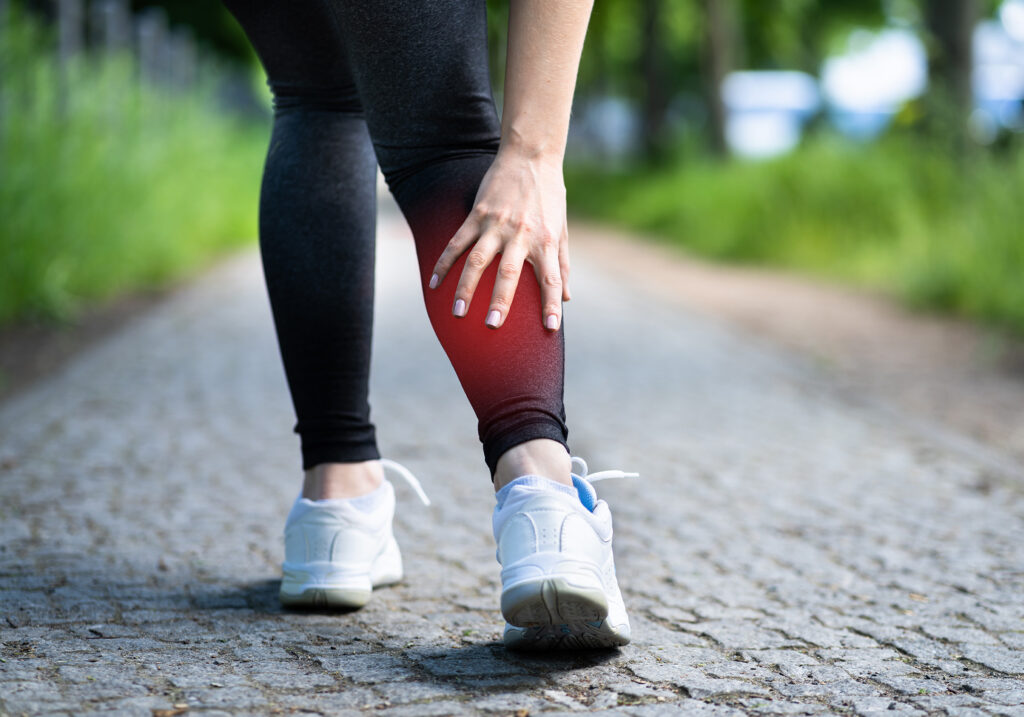
Leg swelling, medically known as edema, occurs when excess fluid accumulates in the soft tissues of your lower legs, ankles, and feet. While occasional mild swelling after a long day is common, persistent or worsening swelling often indicates an underlying vascular problem.
Most leg swelling stems from venous insufficiency—when damaged vein valves allow blood to pool rather than flow efficiently back to your heart. As veins stretch and become more permeable, fluid leaks into surrounding tissue. Your lymphatic system normally removes this excess fluid, but when overwhelmed, swelling becomes visible and progressively worsens. This isn’t merely a cosmetic concern; untreated venous swelling can lead to skin changes, infections, and in severe cases, venous ulcers.
At Colorado Skin & Vein, our vascular specialists use advanced diagnostic ultrasound to identify the precise cause of your swelling and develop a personalized treatment plan that addresses the root issue, not just the symptoms.



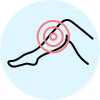
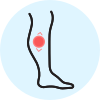
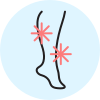
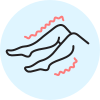
Common Signs of Leg Swelling & Edema
Leg swelling rarely appears alone. Recognize these common symptoms that may indicate a vascular issue requiring medical attention.

Not Sure What Your Symptoms Mean? Ask Ava
Causes & Risk Factors
What Causes Persistent Leg Swelling?
Leg swelling develops when your circulatory system struggles to move blood efficiently back to your heart. Understanding your risk factors helps you recognize when medical evaluation is needed.
- Age over 50 – Vein walls and valves naturally weaken with age, reducing circulatory efficiency and increasing swelling risk.
- Family History – Genetic predisposition to vein disease significantly increases your likelihood of developing chronic venous insufficiency and edema.
- Prolonged Standing or Sitting – Jobs requiring extended periods on your feet or seated increase venous pressure and reduce circulation effectiveness.
- Pregnancy – Increased blood volume, hormonal changes, and pressure from the growing uterus contribute to vein valve weakness and swelling.
- Excess Weight – Additional body weight increases pressure on leg veins and impairs proper blood flow back to the heart.
- Previous Blood Clots – History of deep vein thrombosis (DVT) can cause permanent valve damage and chronic venous insufficiency.
Effective Treatments for Leg Swelling
Endovenous Laser Ablation (EVLA)
Radiofrequency Ablation (RFA)
Radiofrequency energy heats and seals problematic veins from the inside, restoring proper circulation and reducing swelling. Performed in-office under local anesthesia with minimal discomfort.
Sclerotherapy
Injectable solution closes smaller problem veins contributing to swelling and visible spider or reticular veins. Quick office procedure with excellent cosmetic and therapeutic results.
VenaSeal™
A medical adhesive seals diseased veins without heat or tumescent anesthesia, offering comfortable treatment with no post-procedure compression stockings required in many cases.
Frequently Asked Questions
Common Questions About Leg Swelling
What causes leg swelling and edema?
Leg swelling typically results from venous insufficiency—when vein valves malfunction and allow blood to pool in your legs. This increased pressure causes fluid to leak into surrounding tissue. Your lymphatic system normally absorbs this excess fluid, but when overwhelmed, visible swelling develops. Other causes include lymphedema, blood clots, heart or kidney problems, and certain medications.
Is leg swelling dangerous?
Persistent leg swelling can indicate serious underlying conditions and, if left untreated, may lead to complications including skin infections, venous ulcers, and permanent skin changes. Sudden swelling in one leg may signal deep vein thrombosis (DVT), a medical emergency requiring immediate evaluation. Chronic swelling from venous insufficiency is progressive and worsens without treatment.
When should I see a doctor about leg swelling?
Seek medical evaluation if you experience persistent swelling that doesn’t improve with elevation, swelling in only one leg, swelling accompanied by pain or skin changes, difficulty walking due to swelling, or swelling with shortness of breath. Any new or worsening leg swelling warrants professional vascular assessment.
How is the cause of leg swelling diagnosed?
Comprehensive vascular ultrasound provides detailed imaging of your venous system, identifying valve dysfunction, blood clots, and circulation problems. This painless, non-invasive diagnostic procedure maps the exact location and severity of venous disease, allowing our specialists to develop a targeted treatment plan addressing your specific condition.
Will compression socks cure my leg swelling?
Compression stockings provide symptomatic relief but don’t correct underlying vein problems. While medical-grade compression helps reduce swelling temporarily, the edema returns once compression is removed if the root vascular issue remains untreated. Compression is often used as an adjunct to vein treatment, not a standalone solution.
Are vein treatments for leg swelling covered by insurance?
Most insurance plans, including Medicare, cover medically necessary vein treatments when symptoms impact quality of life and conservative measures have been tried. Our team handles insurance verification and pre-authorization, working to maximize your coverage. We’ll explain your benefits and options during your consultation.
Are there risks to leaving leg swelling untreated?
Untreated venous swelling is progressive. Risks include worsening edema, skin discoloration and changes, venous eczema, cellulitis (skin infection), venous leg ulcers, blood clots, and decreased mobility. Early treatment prevents complications and typically requires less intensive intervention than advanced disease.
Can I fly with leg swelling?
Flying with leg swelling requires precautions. Prolonged immobility and cabin pressure changes worsen venous pooling and increase DVT risk. Wear medical-grade compression stockings, stay hydrated, perform calf exercises, and walk periodically during flights. Consult your vascular specialist before travel if you have significant swelling.
Denver's Trust Vein Experts
For 20 years, Denver-area patients have trusted us for exceptional vascular care. Our combination of medical expertise, cutting-edge technology, and personalized attention delivers outcomes that truly transform lives.