
Warning Signs of Deep Vein Thrombosis
A blood clot in your deep veins is a medical emergency that requires immediate attention. At Colorado Skin & Vein, our vascular specialists provide rapid diagnosis and expert treatment to protect your health and prevent life-threatening complications.

What Is Deep Vein Thrombosis?
Deep vein thrombosis (DVT) occurs when a blood clot forms in one of the deep veins in your body, most commonly in your legs. Unlike superficial clots near the skin’s surface, DVT develops in larger veins deep within your muscle tissue and poses serious health risks.
DVT happens when blood flow slows or becomes blocked, allowing clots to form. These clots can partially or completely obstruct blood flow, causing pain and swelling. The most dangerous complication occurs when a clot breaks free and travels through your bloodstream to your lungs, causing a pulmonary embolism—a life-threatening emergency that blocks blood flow in your lungs and requires immediate medical intervention.
At Colorado Skin & Vein, our vascular specialists use advanced ultrasound technology to quickly diagnose DVT and create an immediate treatment plan. With over 20 years of expertise in vascular medicine, we provide the urgent care necessary to prevent complications and protect your long-term health.


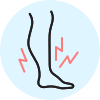
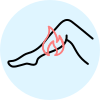
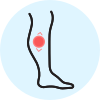
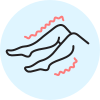
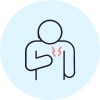
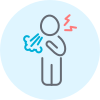
Common Signs of Deep Vein Thrombosis
DVT symptoms can range from subtle to severe. Recognizing these warning signs and seeking immediate medical attention can be lifesaving.
Have Questions About DVT Symptoms or Risk Factors?
Concerned about leg pain, swelling, or whether your symptoms might indicate deep vein thrombosis? Ava, our intelligent vascular health assistant, provides immediate answers about DVT symptoms, risk factors, and when to seek urgent care.
What Increases Your Risk of Deep Vein Thrombosis?
DVT develops when blood flow slows, clotting mechanisms activate abnormally, or vein walls sustain damage. Understanding your personal risk factors helps you recognize when to seek medical evaluation.
- Prolonged Immobility: Extended sitting during travel or bed rest after surgery slows blood flow, allowing clots to form in leg veins.
- Age Over 60: Aging weakens vein walls and valves while increasing clotting tendency, though DVT can occur at any age.
- Family History of Blood Clots: Genetic predisposition significantly increases DVT risk, especially with inherited clotting disorders like Factor V Leiden.
- Pregnancy and Postpartum Period: Increased blood volume, hormonal changes, and pressure on pelvic veins raise clotting risk through six weeks postpartum.
- Obesity: Excess weight increases pressure on leg veins and promotes inflammation, both contributing to clot formation.
- Smoking: Tobacco use damages blood vessel linings and increases blood's clotting ability, elevating DVT risk substantially.
Common Questions About Deep Vein Thrombosis
What exactly is deep vein thrombosis?
DVT is a blood clot that forms in a deep vein, usually in your leg. Unlike superficial clots near the skin, DVT develops in large veins within muscle tissue and can break free to travel to your lungs, causing life-threatening pulmonary embolism.
How dangerous is DVT?
DVT is a serious medical condition requiring immediate treatment. If untreated, clots can grow larger, damage vein valves causing chronic leg problems, or break free and travel to your lungs. Pulmonary embolism is fatal in approximately 30% of untreated cases.
What are the first warning signs of DVT?
Sudden swelling in one leg, calf pain or tenderness, skin warmth, and redness or discoloration are classic DVT symptoms. However, up to 30% of people have no symptoms. Sudden chest pain or shortness of breath signals pulmonary embolism—call 911 immediately.
Can DVT go away on its own?
No. DVT requires medical treatment. While your body may eventually dissolve small clots naturally, this process is unpredictable and dangerous. Without treatment, clots can enlarge, cause permanent vein damage, or travel to your lungs with potentially fatal consequences.
How is DVT diagnosed?
Vascular ultrasound is the primary diagnostic tool. This painless test uses sound waves to visualize blood flow and identify clots in your veins. In some cases, additional imaging like MRI or CT venography provides detailed clot location and size information.
What causes blood clots in legs?
DVT develops when blood flow slows (prolonged sitting or bed rest), blood clotting increases (pregnancy, cancer, medications), or vein walls are damaged (surgery, injury). Often multiple factors combine to create clot formation conditions.
How long does DVT treatment take?
Most patients take blood thinners for three to six months, though some require longer treatment. Compression stockings are typically worn for two years. Treatment duration depends on clot severity, location, underlying causes, and recurrence risk.
Does insurance cover DVT treatment?
Yes. DVT is a serious medical condition, and insurance plans including Medicare cover diagnostic testing and medically necessary treatments. Our team handles insurance verification and authorization to maximize your coverage.
What happens during a DVT ultrasound?
A vascular ultrasound technologist applies gel and uses a handheld device to send sound waves through your leg, creating real-time images of blood flow. The painless procedure typically takes 30-45 minutes and immediately shows if clots are present.
Denver's Trust Vein Experts
For 20 years, Denver-area patients have trusted us for exceptional vascular care. Our combination of medical expertise, cutting-edge technology, and personalized attention delivers outcomes that truly transform lives.