
Understanding Chronic Vein Insufficiency
Tired, swollen legs shouldn’t define your day. Chronic venous insufficiency is treatable with advanced vein care that targets the root cause. At Colorado Skin & Vein, we combine precision diagnostics with gentle, effective treatments to help you feel like yourself again.

About Chronic Vein Insufficiency
What Is Chronic Venous Insufficiency?
Chronic venous insufficiency (CVI) is a progressive vascular condition that occurs when the valves in your leg veins stop working properly. Healthy veins rely on one-way valves to push blood upward, back toward your heart. When these valves weaken or fail, blood pools in the lower legs, increasing pressure and causing symptoms like swelling, heaviness, skin changes, and even painful ulcers.
CVI is more than a cosmetic issue—it’s a medical condition that can significantly impact your daily comfort and mobility. While it often begins with varicose veins or spider veins, untreated CVI can progress to more serious complications including chronic swelling (edema), skin discoloration, and venous ulcers that are difficult to heal.
The good news? With early diagnosis and personalized treatment, chronic venous insufficiency symptoms can be managed effectively. At Colorado Skin & Vein, we use advanced ultrasound technology to map your vein health and design a treatment plan that restores circulation, relieves discomfort, and helps you get back to doing what you love.




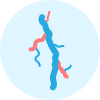


Common Signs and Symptoms of CVI
Not Sure What Your Symptoms Mean? Ask Ava
Have questions about leg swelling, varicose veins, or whether your symptoms point to chronic venous insufficiency? Ava, our intelligent vein health assistant, provides instant answers tailored to your concerns. Get clear, helpful answers on your schedule—no appointment needed.
What Causes Chronic Venous Insufficiency?
Chronic venous insufficiency develops when the valves inside your leg veins become damaged or weakened, allowing blood to flow backward and pool in the lower legs. Several factors increase your likelihood of developing CVI.
- Deep Vein Thrombosis (DVT) History – Previous blood clots are the leading cause of CVI, leaving scar tissue that permanently damages vein valves.
- Age Over 50 – Vein walls and valves naturally weaken with age, making CVI significantly more common after 50.
- Family History – Genetics play a major role—having relatives with varicose veins or CVI increases your risk.
- Prolonged Standing or Sitting – Jobs or lifestyles requiring extended sitting or standing increase leg vein pressure and weaken valve function.
- Pregnancy – Hormonal changes and increased blood volume strain leg veins. Risk increases with multiple pregnancies.
- Obesity – Excess weight puts additional pressure on leg veins, making it harder for blood to return to the heart.
Chronic Venous Insufficiency Treatment Options
Chronic venous insufficiency is highly treatable. Our board-certified vein specialists use the latest minimally invasive techniques to close damaged veins, restore circulation, and relieve symptoms with minimal downtime.
Endovenous Laser Ablation (EVLA)
EVLA uses targeted laser energy delivered through a thin catheter to heat and close damaged veins from the inside. Once sealed, the vein is naturally absorbed by your body, and blood is redirected to healthier pathways.
Radiofrequency Ablation (RFA)
Similar to laser ablation, RFA uses controlled radiofrequency energy to collapse and seal problematic veins. This gentle, precise treatment is highly effective for larger varicose veins and chronic venous insufficiency..
Sclerotherapy
Sclerotherapy involves injecting a specialized solution directly into damaged veins, causing them to collapse and fade over time.
Ambulatory Phlebectomy
For larger, bulging varicose veins near the skin’s surface, ambulatory phlebectomy offers a minimally invasive surgical option. Through tiny incisions, your provider removes the affected vein segments.
Common Questions
Common Questions About Chronic Venous Insufficiency
What is chronic venous insufficiency?
Chronic venous insufficiency (CVI) is a condition where damaged valves in your leg veins prevent blood from flowing efficiently back to your heart. This causes blood to pool in your legs, leading to swelling, discomfort, skin changes, and other symptoms.
What are the early signs of CVI?
Early symptoms include leg heaviness, fatigue, mild swelling (especially by day’s end), and visible spider or varicose veins. Some people also experience aching, cramping, or a restless feeling in their legs, particularly at night.
How is CVI diagnosed?
Diagnosis typically involves a physical exam and a duplex ultrasound—a painless imaging test that evaluates blood flow and identifies damaged veins and faulty valves. Your provider will also review your medical history and risk factors.
Is chronic venous insufficiency dangerous?
CVI itself is not life-threatening, but untreated, it can lead to complications like venous ulcers, skin infections (cellulitis), and chronic pain. Early treatment helps prevent progression and serious complications.
What causes the valves in my veins to stop working?
Valve damage can result from deep vein thrombosis (DVT), aging, prolonged standing or sitting, pregnancy, obesity, genetics, or leg injury. These factors weaken vein walls and valves, allowing blood to flow backward.
Does insurance cover CVI treatment?
Yes, most insurance plans cover medically necessary vein treatments for chronic venous insufficiency, especially when symptoms affect your quality of life. Our team will help verify your benefits and guide you through the insurance process.
What's the difference between CVI and varicose veins?
Varicose veins are enlarged, visible veins that can be an early sign of venous insufficiency. Chronic venous insufficiency is the underlying condition—when vein valves fail and blood flow becomes impaired. Not all varicose veins indicate CVI, but they should be evaluated.
Denver's Trust Vein Experts
For 20 years, Denver-area patients have trusted us for exceptional vascular care. Our combination of medical expertise, cutting-edge technology, and personalized attention delivers outcomes that truly transform lives.