
Relief from Chronic Venous Insufficiency Starts Here
When damaged vein valves disrupt healthy circulation, everyday activities become exhausting. Colorado Skin & Vein’s advanced diagnostic technology and targeted treatments address the root cause of chronic venous insufficiency, restoring comfort and confidence to your daily life.

What Is Chronic Venous Insufficiency?
Chronic venous insufficiency (CVI) develops when vein valves in your legs malfunction, preventing blood from flowing efficiently back to your heart. Healthy vein valves open to allow upward blood flow, then close tightly to prevent backflow. When these valves weaken or fail, blood flows backward and pools in your lower legs, creating increased venous pressure.
This backward flow—called venous reflux—stretches vein walls, making them more permeable and allowing fluid to leak into surrounding tissue. Your lymphatic system normally removes this excess fluid, but when overwhelmed by chronic pooling, swelling becomes visible and progressive. CVI is not merely uncomfortable; untreated cases lead to skin discoloration, thickened tissue, venous ulcers, and increased infection risk. At Colorado Skin & Vein, our vascular specialists use advanced duplex ultrasound technology to precisely map valve dysfunction and circulation problems, creating personalized treatment plans that restore healthy blood flow and prevent long-term complications.



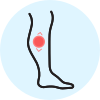
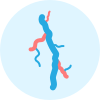
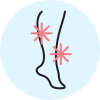
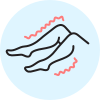
Recognizing Chronic Venous Insufficiency Symptoms
Chronic venous insufficiency rarely presents with one isolated symptom. Recognize these common warning signs that indicate valve dysfunction requiring medical evaluation.

Questions About Chronic Venous Insufficiency? Ask Ava
Wondering if your leg symptoms indicate chronic venous insufficiency? Concerned about treatment options or recovery time? Ava, our intelligent vein health assistant, provides instant, personalized answers to your questions. Get clear information on your schedule—no appointment needed.
What Causes Chronic Venous Insufficiency?
Chronic venous insufficiency develops when factors weaken vein valves and walls, impairing your leg veins’ ability to return blood efficiently to your heart. Understanding your risk helps you recognize when evaluation is necessary.
- Age Over 50: Natural aging weakens vein walls and valves, reducing their ability to maintain one-way blood flow.
- Family History: Genetic predisposition significantly increases your likelihood of developing venous valve dysfunction and CVI.
- Prolonged Standing or Sitting: Jobs requiring extended immobility increase venous pressure and impair circulation.
- Previous Blood Clots: History of deep vein thrombosis (DVT) often causes permanent valve damage leading to chronic insufficiency.
- Pregnancy: Increased blood volume, hormonal changes, and pressure on pelvic veins contribute to valve weakness.
- Excess Weight: Additional body weight increases pressure on leg veins and impairs proper venous return.
Advanced Treatment for Chronic Venous Insufficiency
Endovenous Laser Ablation (EVLA)
Radiofrequency Ablation (RFA)
VenaSeal™ Closure System
Sclerotherapy
Common Questions About Chronic Venous Insufficiency
What is chronic venous insufficiency?
Chronic venous insufficiency (CVI) is a progressive vascular condition where leg vein valves fail to maintain one-way blood flow toward your heart. Blood flows backward through damaged valves and pools in lower leg veins, creating increased pressure, swelling, and various symptoms that worsen without treatment.
What causes chronic venous insufficiency?
CVI develops when vein valves weaken or fail due to aging, genetics, previous blood clots, pregnancy, obesity, or prolonged standing/sitting. Damaged valves allow backward blood flow and pooling, stretching vein walls and creating sustained high pressure that progressively worsens valve function.
What are early symptoms of chronic venous insufficiency?
Early CVI symptoms include leg swelling that worsens throughout the day, aching or heavy feeling in legs, visible varicose or spider veins, and skin changes around ankles. Many patients notice symptoms improve with leg elevation and worsen after prolonged standing or sitting.
Is chronic venous insufficiency dangerous?
While not immediately life-threatening, untreated CVI is progressive and can lead to serious complications including venous ulcers, skin infections, blood clots, and permanent skin changes. Early treatment prevents advancement and typically requires less intensive intervention than late-stage disease.
How is chronic venous insufficiency diagnosed?
Diagnosis involves physical examination and vascular ultrasound imaging. Duplex ultrasound provides detailed visualization of blood flow direction, valve function, and vein structure, allowing precise identification of reflux locations and severity. This painless diagnostic procedure takes 30–45 minutes.
Is CVI treatment covered by insurance?
Most insurance plans, including Medicare, cover medically necessary treatments for chronic venous insufficiency when conservative measures have been tried and symptoms impact quality of life. Our team handles insurance verification, pre-authorization, and works to maximize your benefits.
What's the difference between CVI and varicose veins?
Varicose veins are often a visible symptom of underlying chronic venous insufficiency. CVI refers to the broader condition of valve dysfunction and impaired venous return, while varicose veins are the bulging, twisted vessels that result from sustained high pressure and blood pooling caused by CVI.
Denver's Trust Vein Experts
For 20 years, Denver-area patients have trusted us for exceptional vascular care. Our combination of medical expertise, cutting-edge technology, and personalized attention delivers outcomes that truly transform lives.