
VenaSeal for Varicose Veins

What Is VenaSeal?
VenaSeal™ is an FDA-approved, minimally invasive procedure that uses a medical adhesive to close varicose veins caused by chronic venous insufficiency. Under ultrasound guidance, a small catheter delivers a specially formulated cyanoacrylate adhesive directly into the diseased vein. The adhesive immediately seals the vein walls together, permanently closing the problematic vessel. Blood flow instantly reroutes through healthier veins, eliminating symptoms and improving appearance.
Unlike thermal-based treatments, VenaSeal requires no tumescent anesthesia—the multiple injections used to numb and protect surrounding tissue. This unique characteristic makes VenaSeal notably comfortable, with most patients reporting minimal sensation during treatment. The procedure takes approximately 30-45 minutes, and patients typically resume normal activities immediately with minimal to no restrictions.
Key Benefits:
- No Tumescent Anesthesia:
Single access point, minimal injections, greater comfort. - Non-Thermal Technology:
No heat energy, eliminating thermal injury risk. - Immediate Activity:
Resume normal activities immediately after treatment. - Single Injection:
One small access point versus multiple anesthesia injections. - Minimal Restrictions:
No compression stockings required in most cases.
What Conditions Does VenaSeal Treat?
VenaSeal is specifically designed to treat symptomatic varicose veins resulting from superficial venous reflux—when faulty valves allow blood to flow backward and pool in leg veins.
- Varicose Veins: VenaSeal targets incompetent saphenous veins (great or small saphenous) feeding visible, bulging varicose veins. By sealing the source vein with medical adhesive, surface varicosities diminish and symptoms resolve.
- Chronic Venous Insufficiency (CVI): When vein valves malfunction, blood accumulates in lower legs causing swelling, aching, and skin changes. VenaSeal restores proper circulation by permanently closing the diseased pathway.
- Leg Pain and Heaviness: Persistent aching, throbbing, or fatigue in legs—particularly after standing—often stems from venous reflux. Sealing the damaged vein with VenaSeal typically relieves discomfort within days to weeks.
- Leg Swelling and Edema: Chronic ankle and calf swelling caused by poor venous return improves as healthy veins resume normal drainage following VenaSeal closure.
- Restless Leg Syndrome (RLS): When RLS symptoms originate from underlying venous insufficiency, VenaSeal treatment can significantly reduce nighttime leg discomfort and restlessness.
The VenaSeal™ Process
While the following steps outline the standard VenaSeal procedure, Dr. Verebelyi customizes every treatment to your unique venous anatomy, symptom profile, and lifestyle requirements.

- Ultrasound Mapping: Using advanced ultrasound, Dr. Verebelyi precisely maps your venous system, identifying diseased veins and optimal access points. This diagnostic imaging ensures accurate catheter placement and complete treatment coverage.
- Single Access Point: A small needle creates one tiny access point—typically near the knee or below. This single entry eliminates the multiple injections required with thermal procedures, significantly improving patient comfort.
- Catheter Advancement: Under continuous ultrasound guidance, a specialized catheter advances through the diseased vein to the treatment starting point. Real-time imaging ensures precise positioning throughout.
- Adhesive Delivery: Medical-grade cyanoacrylate adhesive is delivered in small amounts along the vein length as the catheter withdraws. The adhesive immediately bonds vein walls together, creating permanent closure.
- Vein Compression: Brief external pressure is applied at each adhesive delivery point to ensure complete vein wall contact and optimal seal formation.
- Immediate Circulation Rerouting: Once closed, blood instantly redirects through healthy, functional veins designed to handle increased flow. The body gradually absorbs the sealed vein over subsequent months.
What to Expect

Before Treatment
Your consultation includes comprehensive vascular ultrasound performed by Dr. Verebelyi, a Registered Vascular Technician (RVT) with over 20 years of diagnostic expertise. You’ll receive personalized treatment planning and pre-procedure guidance.
- Diagnostic Ultrasound: Complete venous mapping confirms candidacy
- Treatment Planning: Customized approach based on your anatomy
- Pre-Procedure Instructions: Medication guidance, clothing recommendations
- Consultation Duration: 30-45 minutes
During Treatment
A single access point is created with minimal discomfort. You’ll feel slight pressure as the catheter advances, but VenaSeal’s non-thermal approach eliminates the multiple injections required with other procedures.
- Single Access: One small needle stick, minimal injection
- No Tumescent Anesthesia: Eliminates multiple numbing injections
- Ultrasound Guided: Continuous visualization ensures precision
- Minimal Sensation: Pressure and slight tugging, typically no pain
- Treatment Duration: 30-45 minutes per vein
After Treatment
No compression stockings are typically required. Walk for 10-15 minutes in-office before leaving. Most patients drive themselves home and resume normal activities immediately with minimal to no restrictions.
- Immediate Walking: 10-15 minutes in-office before departure
- Minimal Side Effects: Possible tenderness, minor bruising
- No Compression Required: Most patients need no compression garments
- Activity Freedom: Resume normal activities immediately
- Return to Exercise: Light activity same day, full activity within days
VenaSeal™ Results & Recovery
Immediate & Short-Term Recovery
- Same-Day Activity: Resume normal activities immediately
- Driving Permitted: Most patients drive themselves home
- Return to Work: Same day or next day for most occupations
- Exercise Freedom: Light activity immediately, full activity within days
- No Compression Required: Most patients need no compression garments
- Common Side Effects: Minimal bruising, mild tenderness at access site (1-2 weeks)
- Visible Improvement: Begins within 2-4 weeks as vein is absorbed
Long-Term Outcomes
- Success Rate: 92-96% complete vein closure at 3 years
- Symptom Resolution: Pain, heaviness, swelling improve within 4-6 weeks
- Vein Absorption: Treated vein gradually absorbed over 3-6 months
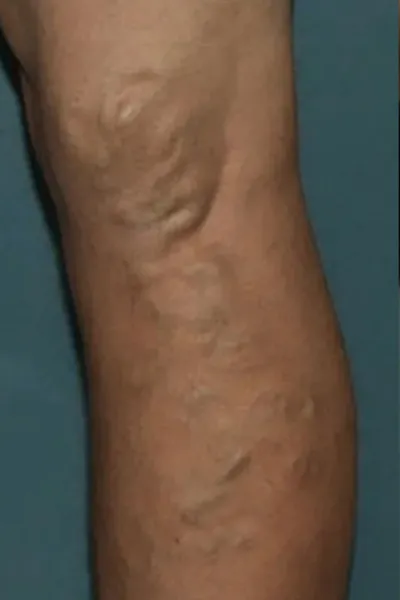
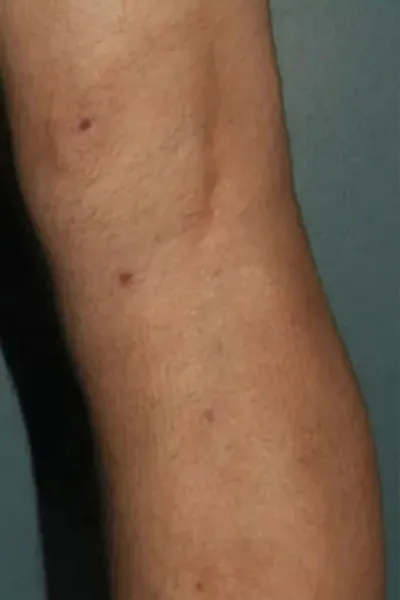
- Aesthetic Results: Smoother, clearer skin with reduced visible veins
- Quality of Life: Improved mobility, reduced discomfort, enhanced confidence
- Durability: Closed veins remain sealed; new veins may develop over time
- Follow-Up: Post-treatment ultrasound typically at 1 week and 3 months

Questions About VenaSeal™? Ask Ava.
20+ Years of Vascular Excellence
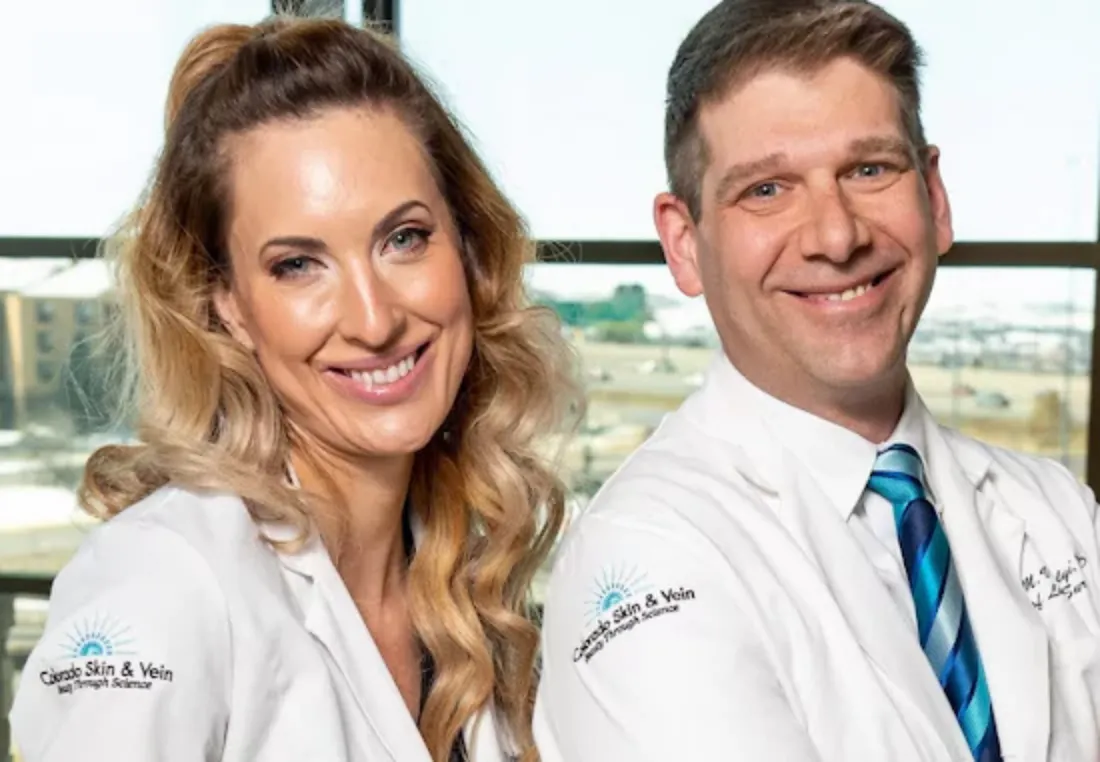
The team at Colorado Skin & Vein, led by David Verebelyi, MD, RVT, and Christina Jordan, FNP, CANS, has been treating vein conditions for over two decades, earning a reputation as leaders in advanced vascular and laser medicine.
Dr. David Verebelyi serves as Chief of Laser Surgery at Colorado Skin & Vein, bringing over 20 years of specialized experience in venous care and minimally invasive vein treatments.
- Double board-certified physician
- Registered Vascular Technician with advanced diagnostic imaging expertise
- Fellow & Instructor, American Society for Laser Medicine and Surgery
- Personally performs all vein procedures using state-of-the-art technology
- Holds honors MD and B.S. in Science & Psychology
VenaSeal™ Frequently Asked Questions
How is VenaSeal different from other varicose vein treatments?
VenaSeal uses medical adhesive rather than heat energy to close veins. This eliminates the need for tumescent anesthesia—multiple numbing injections required with thermal procedures. Most patients experience significantly less discomfort and require no compression stockings.
Does the VenaSeal procedure hurt?
Most patients report minimal discomfort. You’ll feel one needle stick for access and slight pressure as the catheter advances. Without tumescent anesthesia injections, VenaSeal is notably more comfortable than thermal ablation procedures.
How long does VenaSeal treatment take?
The procedure typically takes 30-45 minutes per vein treated. Including preparation and post-procedure instructions, plan for approximately 60-75 minutes in-office.
Do I need to wear compression stockings after VenaSeal?
Most patients require no compression stockings following VenaSeal treatment. Some physicians recommend brief compression for comfort, but extended compression is typically unnecessary due to the non-thermal nature of the procedure.
When can I return to work after VenaSeal?
Most patients return to work immediately or the next day. The lack of tumescent anesthesia and minimal discomfort allows rapid return to all activities including desk work, standing occupations, and physical labor.
Can I exercise after VenaSeal treatment?
Light activity is permitted immediately. Most patients resume full exercise routines within 2-3 days. Unlike thermal procedures, VenaSeal causes minimal inflammation, allowing faster activity resumption.
Is VenaSeal covered by insurance?
VenaSeal is typically covered when medically necessary for symptomatic varicose veins caused by venous reflux. Coverage requires documented symptoms and diagnostic ultrasound confirming venous insufficiency. We verify benefits and obtain authorization before treatment.
What is the success rate of VenaSeal?
Clinical studies demonstrate 92-96% complete vein closure rates at 3 years post-treatment. VenaSeal shows comparable long-term effectiveness to thermal ablation with enhanced patient comfort.
What happens to the sealed vein after VenaSeal?
The adhesive permanently bonds the vein walls closed. The sealed vein remains in your body but becomes fibrous tissue gradually absorbed over 3-6 months. It no longer carries blood and eventually becomes undetectable.
Will varicose veins come back after VenaSeal?
The specific vein treated with VenaSeal remains permanently closed. However, genetic predisposition may cause new varicose veins to develop in other locations over time. New veins can be treated if they become symptomatic.
Are there side effects or risks with VenaSeal?
Common side effects include mild bruising and tenderness at the access site, resolving within 1-2 weeks.
How soon will I see results from VenaSeal?
Symptom relief (reduced pain, heaviness, swelling) typically begins within days to weeks. Visible improvement in vein appearance becomes noticeable at 3-4 weeks and continues improving over 3-6 months as the vein is absorbed.
Can VenaSeal treat all varicose veins?
VenaSeal effectively treats great and small saphenous vein reflux—the root cause of most varicose veins. Very tortuous veins or specific anatomical variations may require alternative treatments. Diagnostic ultrasound determines candidacy.
How does VenaSeal compare to laser ablation?
Both procedures achieve similar long-term closure rates. VenaSeal’s primary advantage is eliminating tumescent anesthesia, resulting in less discomfort, faster recovery, and no compression stocking requirement. Laser ablation may be preferred for specific anatomical situations.