
Radiofrequency Ablation Procedure
Eliminate varicose veins with advanced radiofrequency energy—proven minimally invasive procedure delivering lasting results in under an hour with same-day recovery.
What Is Radiofrequency Ablation?
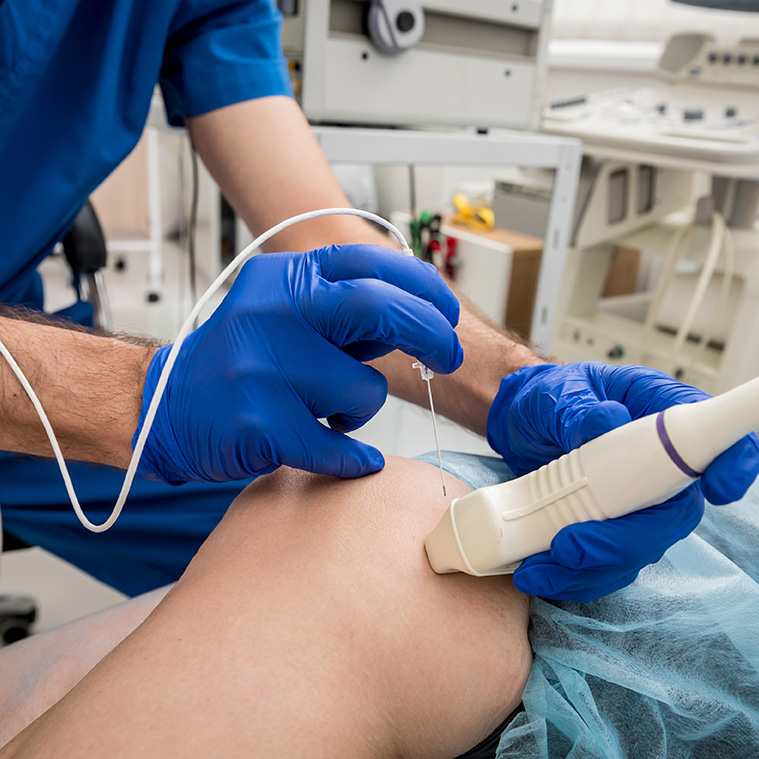
Radiofrequency ablation (RFA) is an FDA-approved, minimally invasive procedure that uses controlled thermal energy to treat varicose veins caused by chronic venous insufficiency. Under ultrasound guidance, a thin catheter is inserted into the diseased vein through a small access point. The catheter delivers precisely controlled radiofrequency energy that heats the vein wall, causing it to collapse and seal permanently. Blood immediately redirects through healthy veins, eliminating both visible varicose veins and associated symptoms.
For over two decades, RFA has been a gold-standard treatment for large, symptomatic varicose veins. Clinical studies demonstrate success rates exceeding 95% at five years, with fewer complications and faster recovery than traditional vein stripping surgery. The procedure is performed entirely in-office under local anesthesia, allowing most patients to resume normal activities within 24 hours.
- Minimally Invasive: Small catheter entry, no surgical incisions
- Ultrasound-Guided Precision: Real-time imaging ensures accurate placement
- 95%+ Success Rate: Clinically proven long-term vein closure
- Office-Based: Completed in under an hour, no hospital required
- Rapid Recovery: Return to activities within 24 hours
What Conditions Does Radiofrequency Ablation Treat?
Endovenous laser ablation is specifically designed to treat symptomatic varicose veins caused by venous reflux—a condition where faulty valves allow blood to flow backward and pool in superficial veins.
- Varicose Veins: RFA treats incompetent saphenous veins feeding bulging, rope-like varicose veins. Closing the source vein causes visible varicosities to shrink and symptoms to resolve.
- Chronic Venous Insufficiency (CVI): Failed vein valves cause blood pooling in lower legs, creating swelling, heaviness, and skin changes. RFA restores healthy circulation by eliminating the diseased pathway.
- Leg Pain and Heaviness: Aching, throbbing, or fatigue—especially after standing—often results from venous reflux. Sealing the damaged vein provides relief within weeks.
- Leg Swelling and Edema: Persistent ankle and calf swelling from poor venous return responds effectively as healthy veins resume normal drainage.
- Restless Leg Syndrome: When RLS symptoms stem from underlying venous insufficiency, treating the diseased vein significantly reduces nighttime discomfort.
How Radiofrequency Ablation Works
While the following steps outline the standard RFA procedure, Dr. Verebelyi customizes every treatment to your unique venous anatomy, symptom profile, and lifestyle needs.
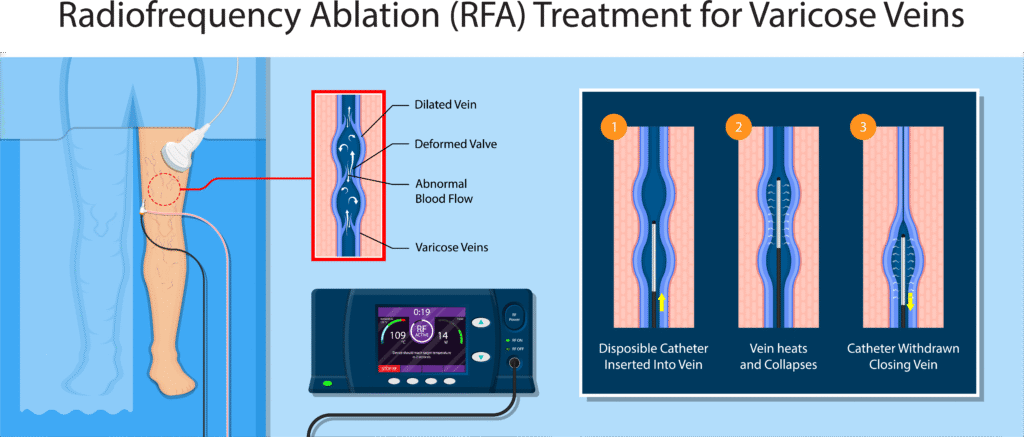
- Pre-Treatment Mapping:
Duplex ultrasound imaging maps the entire venous system, identifying the precise location and extent of venous reflux to ensure only diseased veins are treated. - Local Anesthesia:
Small injections deliver tumescent anesthesia around the vein, providing complete comfort during treatment and protecting surrounding tissue from heat. - Catheter Insertion:
Under continuous ultrasound guidance, a thin catheter is inserted into the diseased vein through a tiny access point near the knee or ankle. - Controlled Energy Delivery:
The RFA catheter is slowly withdrawn along the vein length while delivering controlled radiofrequency energy. This heats the vein wall to approximately 120°C, causing immediate collapse and permanent sealing. - Immediate Rerouting:
Once the diseased vein closes, blood instantly redirects through deeper, healthy veins designed to handle increased flow. The body gradually absorbs the sealed vein over the following weeks. - Post-Procedure Compression:
A compression bandage or stocking supports the healing process and optimizes results. Most patients walk immediately following treatment.
What to Expect
Our comprehensive approach begins with thorough evaluation and continues through every stage of your treatment journey, ensuring optimal results and complete patient comfort.

Before Treatment
Comprehensive vascular ultrasound performed by Dr. Verebelyi with personalized pre-treatment guidance.
- Diagnostic Ultrasound: Maps venous anatomy
- Pre-Treatment Instructions: Medication guidance
- Consultation Duration: 30-45 minutes
During Treatment
Tumescent anesthesia ensures complete comfort with live ultrasound guidance throughout.
- Local Anesthesia: Brief pinching, then numbness
- Ultrasound-Guided: Real-time positioning
- Minimal Discomfort: Gentle warmth only
- Treatment Duration: 45-60 minutes
After Treatment
Walk immediately. Most patients resume normal routines within 24-48 hours.
- Immediate Walking: 10-15 minutes in-office
- Mild Side Effects: Tenderness (7-10 days)
- Activity Limits: No strenuous exercise one week
- Return to Work: 24-48 hours
What Results Can You Expect?
While RFA delivers consistently strong outcomes across broad patient populations, individual results depend on factors including vein anatomy, symptom severity, and adherence to post-treatment care. The following timelines represent typical experiences based on clinical data and practice outcomes.
Immediate & Short-Term Recovery
- Same-Day Mobility: Walk immediately; most patients leave within one hour
- Return to Work: Same day or next day for most occupations
- Common Side Effects: Mild discomfort manageable with over-the-counter pain relievers (1-2 weeks)
- Compression Stockings: Typically worn continuously 48-72 hours, then daytime only for one week
- Activity Restrictions: Avoid strenuous exercise, heavy lifting 7-10 days; walking encouraged daily
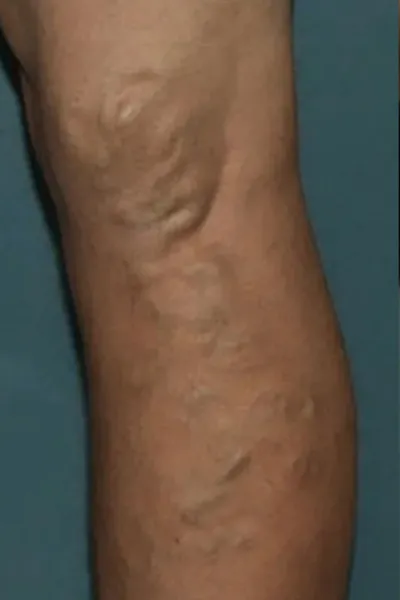
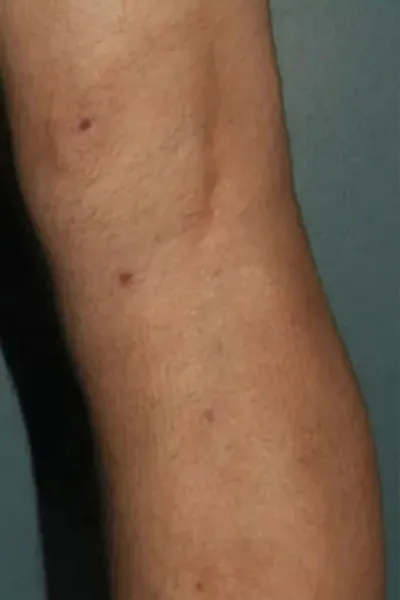
- Visible Improvement: Many treated veins become invisible immediately; others fade gradually
Long-Term Outcomes
- Success Rate: 97-98% initial closure rate; 99.6% successful closure at two years
- Symptom Resolution: Significant reduction in pain, heaviness, swelling within weeks
- Vein Absorption: Treated vein absorbed over 3-12 months
- Aesthetic Results: Full cosmetic improvement may take several months to one year
- Clinical Improvement: Venous Clinical Severity Score decreases from average 4.0 to 0.6 at one year
- Quality of Life: Greater mobility, reduced discomfort, renewed confidence
- Recurrence: Treated veins remain permanently closed; new veins may develop over time

Questions About RFA? Ask Ava.
20+ Years of Vascular Excellence
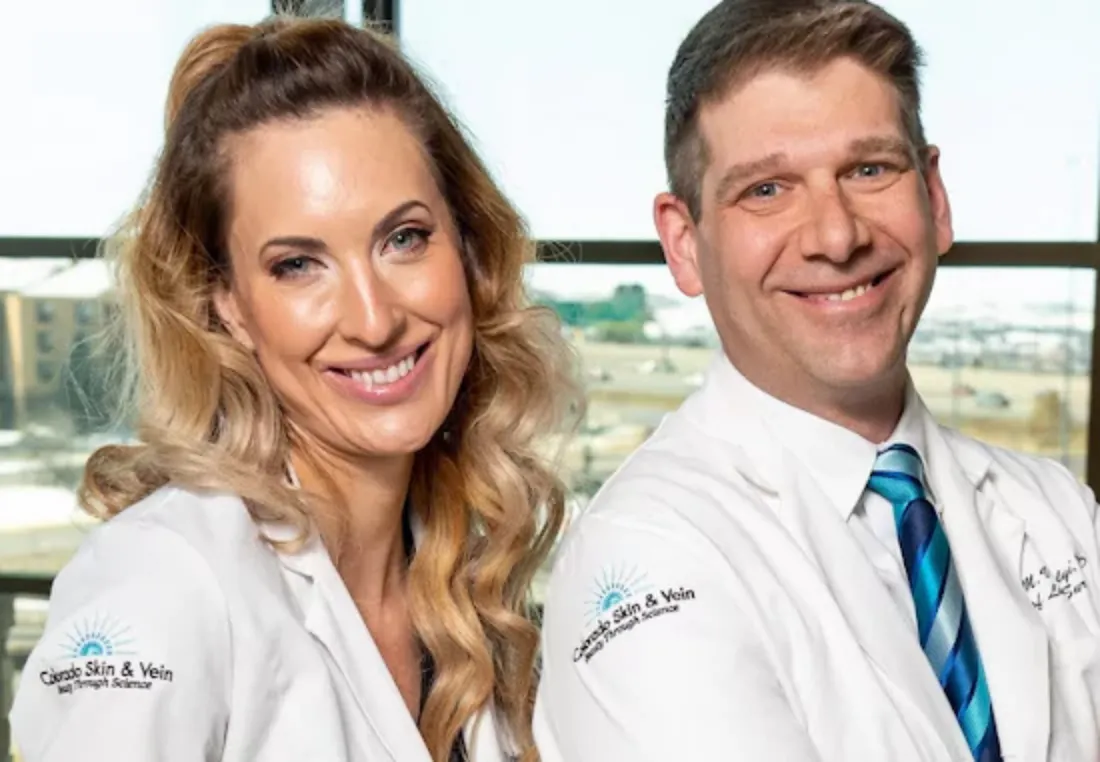
The team at Colorado Skin & Vein, led by David Verebelyi, MD, RVT, and Christina Jordan, FNP, CANS, has been treating vein conditions for over two decades, earning a reputation as leaders in advanced vascular and laser medicine.
Dr. David Verebelyi serves as Chief of Laser Surgery at Colorado Skin & Vein, bringing over 20 years of specialized experience in venous care and minimally invasive vein treatments.
- Double board-certified physician
- Registered Vascular Technician with advanced diagnostic imaging expertise
- Fellow & Instructor, American Society for Laser Medicine and Surgery
- Personally performs all vein procedures using state-of-the-art technology
- Holds honors MD and B.S. in Science & Psychology
RFA Frequently Asked Questions
Does RFA hurt?
How long does RFA take?
The actual laser treatment takes 45-60 minutes from start to finish. Including preparation and post-procedure walking, plan for approximately 90 minutes in-office.
When can I return to work after RFA?
Most patients with desk jobs return the next day. Jobs requiring prolonged standing or heavy lifting may need 2-3 days of modified activity before resuming full duties.
Will I need compression stockings?
Is RFA covered by insurance?
What is the success rate of RFA?
Clinical studies show RFA achieves 95-98% vein closure rates at five years post-treatment, making it one of the most effective varicose vein treatments available.
What happens to the treated vein after RFA?
The sealed vein remains in your body but becomes a fibrous cord that your body gradually absorbs over 3-6 months. It no longer carries blood and eventually becomes undetectable.
Can varicose veins come back after RFA?
The specific vein treated with RFA will not reopen. However, genetic predisposition means new varicose veins may develop in other areas over time. These can be treated with additional procedures if needed.
Are there side effects or risks with RFA?
The most common side effects are mild bruising, tenderness, and tightness along the treated vein, which resolve within 1-2 weeks.
How soon will I see results from RFA?
Symptom relief (reduced pain, heaviness, swelling) typically begins within 1-2 weeks. Visible improvement in vein appearance becomes noticeable at 3-4 weeks and continues improving over 3-6 months as the vein is reabsorbed.
Can I exercise after RFA?
Light walking is encouraged immediately. Avoid strenuous exercise, running, heavy lifting, and high-impact activities for 7-10 days. After one week, gradually resume your normal fitness routine.
Do I need time off work?
Most patients take little to no time off. If your job is sedentary, you can typically return the next day. Jobs requiring prolonged standing or heavy physical labor may require 2-3 days of modified duty.
Will I have scars after RFA?
The entry point is so small (similar to a needle stick) that no stitches are required. Any tiny mark fades completely within weeks, leaving no visible scarring.