




Rosacea Treatment
What Is Rosacea?
Rosacea is a chronic inflammatory skin condition affecting millions of adults, characterized by persistent facial redness, visible blood vessels, flushing, and sometimes acne-like bumps. While the exact cause remains unclear, this progressive condition typically appears on the nose, cheeks, forehead, and chin—areas where superficial blood vessels become enlarged and overly reactive.
Environmental triggers such as sun exposure, temperature extremes, certain foods, and stress can cause flare-ups that worsen over time without proper treatment. At Colorado Skin & Vein, our 20+ years of specialized vascular experience enable us to accurately diagnose your rosacea subtype and develop a personalized treatment plan using the most effective laser technologies available—helping you achieve lasting symptom control and clearer, more comfortable skin.
Proven Rosacea Solutions
Colorado Skin & Vein offers proven, minimally invasive laser therapies specifically designed to target the vascular dysfunction underlying rosacea. Each treatment is customized to your unique skin type, rosacea subtype, and severity—delivering superior results with minimal downtime.
- State-of-the-Art
- Minimal Downtime
- Ultrasonic Diagnosis
- Minimally Invasive
- Minimal Downtime
- 20+ Years Experience
Questions About Rosacea? Ava Has Answers
Wondering if your facial redness indicates rosacea? Curious about treatment options, expected results, or which laser therapy is right for you? Ava, our intelligent rosacea care assistant, delivers instant, personalized answers 24/7—no appointment needed.
What to Expect
At Colorado Skin & Vein, we take a comprehensive, personalized approach to rosacea treatment—recognizing that every case is unique. Our process ensures accurate diagnosis, customized therapy selection, and ongoing support for optimal long-term results.
Consultation
Our board-certified specialists begin with an in-depth assessment of your rosacea, including:
- Detailed analysis of symptoms and medical history
- Visual examination of affected areas
- Trigger assessment and lifestyle factors
- Discussion of treatment goals and expectations
This thorough evaluation ensures we understand your unique condition and can recommend the most effective treatment approach for your specific rosacea presentation.
Customized Treatments
Based on your evaluation, we select the optimal treatment or combination:
- Pulsed Dye Laser (PDL) for visible vessels and redness
- Nd:YAG Laser for deeper, larger vessels
- CO2 Laser for rhinophyma
- Typically 3-5 treatment sessions for optimal results
- Treatments spaced 4-6 weeks apart
Most procedures are performed comfortably in-office and take 20-45 minutes, with minimal downtime allowing immediate return to most activities.
After Treatment
Following treatment, you’ll see progressive improvement as vessels fade and redness diminishes:
- Initial improvement visible within 2-3 weeks
- Continued fading over 6-8 weeks
- Minimal downtime
Ongoing Care May Include:
- Sun protection
- Trigger identification
- Gentle, non-irritating skincare products
- Lifestyle modifications to minimize flare-ups
What Happens During Treatment?
Your treatment will be comfortable and customized. We’ll explain each step clearly, ensuring you feel relaxed and informed throughout the process for the best results possible.
Consultation
Procedure
Recovery
20+ Years of Vascular Excellence
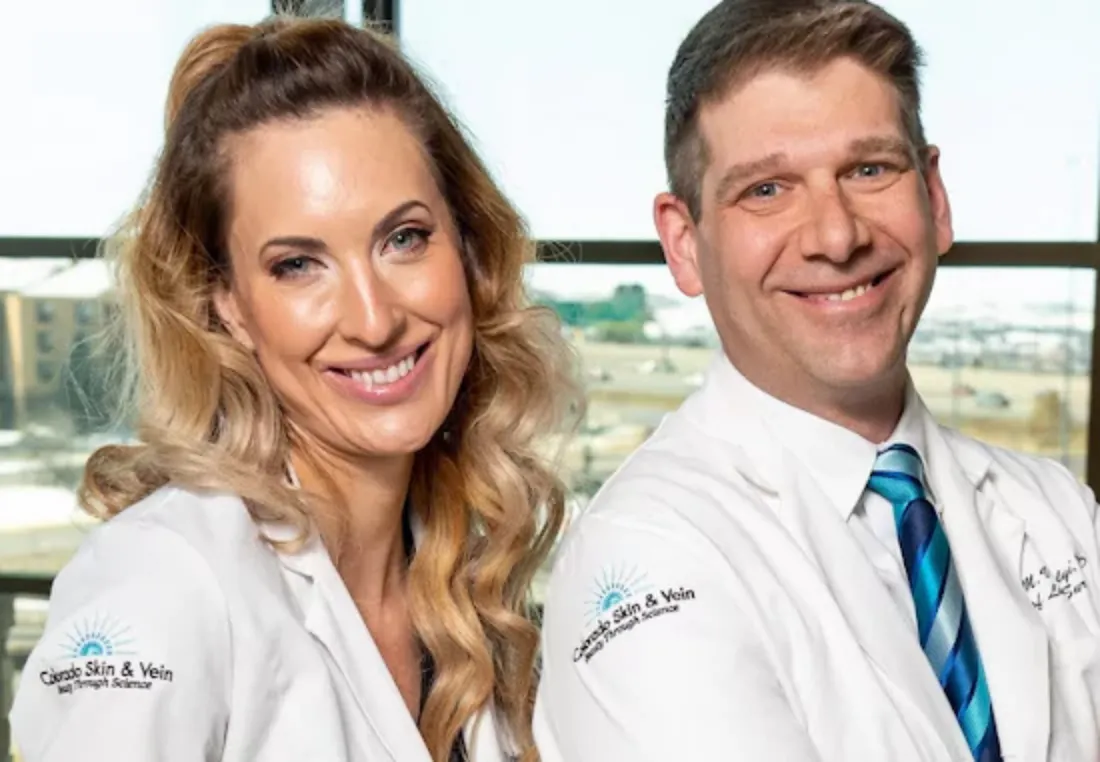
The team at Colorado Skin & Vein, led by David Verebelyi, MD, RVT, and Christina Jordan, FNP, CANS, has been treating vein conditions for over two decades, earning a reputation as leaders in advanced vascular and laser medicine.
Dr. David Verebelyi serves as Chief of Laser Surgery at Colorado Skin & Vein, bringing over 20 years of specialized experience in venous care and minimally invasive vein treatments.
- Double board-certified physician
- Registered Vascular Technician with advanced diagnostic imaging expertise
- Fellow & Instructor, American Society for Laser Medicine and Surgery
- Personally performs all vein procedures using state-of-the-art technology
- Holds honors MD and B.S. in Science & Psychology
Real Patients. Real Relief.
Real experiences from Colorado patients who chose minimally invasive vein care—and saw meaningful, lasting change.
Rosacea Treatment FAQ
What is rosacea?
Rosacea is a chronic inflammatory skin condition affecting facial blood vessels, causing persistent redness, visible spider veins, flushing, and sometimes acne-like bumps. It typically appears on the nose, cheeks, forehead, and chin. While the exact cause isn’t fully understood, rosacea results from a combination of genetic predisposition and environmental triggers that cause facial vessels to become enlarged and overly reactive.
Who is most likely to develop rosacea?
Rosacea most commonly affects fair-skinned adults of Northern European descent, particularly women between ages 30-50. However, anyone can develop rosacea regardless of skin tone or ethnicity. Men tend to experience more severe forms, including rhinophyma. Family history increases risk, suggesting a genetic component to the condition.
What are the main types of rosacea?
Four primary subtypes exist: (1) Erythematotelangiectatic rosacea features persistent facial redness and visible vessels; (2) Papulopustular rosacea includes inflammatory bumps resembling acne; (3) Phymatous rosacea causes skin thickening, especially on the nose; (4) Ocular rosacea affects the eyes, causing dryness and irritation. Many patients experience symptoms of multiple subtypes simultaneously.
What triggers rosacea flare-ups?
Common triggers include sun exposure, temperature extremes (hot or cold), spicy foods, alcohol (especially red wine), hot beverages, stress, intense exercise, certain medications, and skincare products containing alcohol or irritating ingredients. Triggers vary by individual. Keeping a flare-up diary helps identify your personal triggers for better long-term control.
Can rosacea be cured?
Rosacea is a chronic condition without a permanent cure, but it can be effectively controlled with proper treatment. Advanced laser therapies like PDL significantly reduce visible vessels, background redness, and inflammation—often providing years of improvement. Combining professional treatment with trigger avoidance and appropriate skincare maintains results and minimizes flare-ups.
How does laser treatment work for rosacea?
Laser therapy uses precisely targeted light energy to heat and collapse the enlarged blood vessels causing redness and flushing. The Pulsed Dye Laser (PDL) operates at 595nm wavelength, which is selectively absorbed by hemoglobin in blood vessels. Treated vessels collapse and are naturally reabsorbed by the body over several weeks, reducing visible redness and improving skin appearance.
How many laser treatments will I need?
Most patients require 3-5 PDL treatment sessions spaced 4-6 weeks apart for optimal results. The exact number depends on your rosacea severity, skin type, and treatment goals. Some patients see significant improvement after just 2-3 sessions, while more severe cases may benefit from additional treatments. Maintenance sessions every 1-2 years help sustain results.
Does laser treatment hurt?
Most patients report minimal discomfort during PDL treatment, often described as a brief snapping sensation similar to a rubber band. Our advanced Vbeam Perfecta system includes Dynamic Cooling Device (DCD) technology that sprays coolant before each pulse, significantly reducing discomfort. No anesthesia is typically needed, though we can apply topical numbing cream if you’re particularly sensitive.
What is the recovery time after treatment?
Downtime is minimal. Most patients return to work and regular activities immediately. Temporary side effects may include mild redness, slight swelling, or occasional bruising that resolves within a few days to a week. We recommend avoiding direct sun exposure and wearing broad-spectrum SPF 30+ sunscreen during healing. Makeup can usually be applied the next day.
Will my rosacea come back after treatment?
Treated vessels are permanently collapsed and reabsorbed. However, since rosacea is a chronic vascular condition, new vessels may develop over time, particularly if triggers aren’t managed. Most patients enjoy years of improvement following a complete treatment series. Periodic maintenance treatments (typically every 1-2 years) and trigger avoidance help sustain long-term results.
Denver's Trust Vein Experts
For 20 years, Denver-area patients have trusted us for exceptional vascular care. Our combination of medical expertise, cutting-edge technology, and personalized attention delivers outcomes that truly transform lives.