
Understanding Spider Veins: Causes & Symptoms
Those delicate web-like veins appearing on your legs or face may seem purely cosmetic—but they can signal underlying vascular issues. At Colorado Skin & Vein, our board-certified team offers advanced diagnostic ultrasound and proven laser treatments to address both visible veins and hidden circulation concerns.

About Spider Veins
What are spider veins?
Spider veins are small, damaged blood vessels visible just below the skin’s surface. Also called telangiectasias or thread veins, they create delicate red, purple, or blue patterns that resemble a spider’s web—hence the name.
These tiny veins most often appear on the legs (especially behind the knees, along the thighs and calves) and on the face. While they’re usually painless and often dismissed as purely cosmetic, spider veins around the knees or ankles can indicate deeper venous issues, such as chronic venous insufficiency.
That’s why proper diagnosis is essential. At Colorado Skin & Vein, we go beyond surface-level assessment. Our experienced team uses state-of-the-art ultrasound technology to map your venous system, identifying any underlying vein disease that may be contributing to visible spider veins. This precision allows us to tailor treatments that resolve both what you see and what you don’t—for results that truly last.



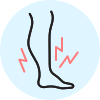
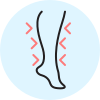
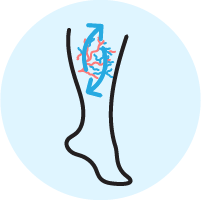
Common Spider Vein Symptoms
While spider veins are typically painless, some patients experience accompanying symptoms that signal deeper venous concerns.
Not Sure What Your Symptoms Mean? Ask Ava
Ava is our intelligent virtual assistant, available 24/7 to answer your vascular health questions. Ava provides personalized guidance instantly. Get clear, helpful answers on your schedule—no appointment needed.
What Causes Spider Veins?
Spider veins develop when small veins near the skin’s surface become dilated due to increased pressure or weakened vessel walls. While genetics play a significant role, several lifestyle and hormonal factors can contribute to their formation.
- Age – Vein valves weaken over time, increasing spider vein risk after age 50.
- Genetics & Family History – Hereditary factors significantly increase your likelihood of developing spider veins.
- Hormonal Changes – Pregnancy, menopause, and birth control can weaken vein walls and increase venous pressure.
- Prolonged Sitting or Standing – Extended inactivity reduces circulation and increases pressure in leg veins.
- Obesity – Excess weight strains veins in the lower extremities.
- Sun Exposure – UV damage weakens facial blood vessels, causing visible spider veins.
Advanced Spider Vein Treatment Options
At Colorado Skin & Vein, we offer a range of proven, minimally invasive treatments tailored to your unique vein health needs. Our advanced technology and medical expertise ensure safe, comfortable, and lasting results.
Pulsed Dye Laser
Our pulsed-dye laser is the gold standard for treating facial and leg spider veins. Using precise wavelength energy delivered in gentle micropulses, the laser targets and collapses unwanted veins without harming surrounding tissue.
Sclerotherapy Injections
Sclerotherapy is one of the most effective treatments for leg spider veins. Our specialists inject a medical solution directly into targeted veins, causing them to collapse and gradually fade.
Customized Treatment Plans
Many patients benefit from a combination of treatments tailored to their unique vein condition. After a thorough diagnostic evaluation, our team may recommend a mix of approaches.
Common Questions
Common Questions About Spider Veins
Are spider veins dangerous?
Spider veins are typically not dangerous and are often cosmetic. However, they can indicate underlying venous insufficiency, especially when appearing around the knees, calves, or ankles. This progressive condition can lead to more serious complications if left untreated. At Colorado Skin & Vein, we use diagnostic ultrasound to assess your entire venous system and determine whether your spider veins require medical treatment or are purely cosmetic.
How long does spider vein treatment take?
Most treatments are quick and performed in-office, typically about an hour. There’s little to no downtime—you can resume normal activities immediately. Results develop gradually as treated veins fade over several weeks. Depending on severity, you may need multiple sessions spaced a few weeks apart. We’ll provide a personalized treatment timeline during your consultation.
Will my spider veins come back after treatment?
Treated spider veins will not return—they’re permanently eliminated. However, you may develop new spider veins in other areas if you have underlying venous insufficiency or genetic predisposition. At Colorado Skin & Vein, we don’t just treat visible veins—we assess and address underlying vascular dysfunction. By treating the root cause and providing personalized prevention strategies, we help minimize the risk of new spider veins and protect your long-term vein health.
Is spider vein treatment painful?
Most patients find spider vein treatments very tolerable. Sclerotherapy involves tiny injections that cause brief stinging or cramping, similar to a small pinch. Laser treatments use advanced cooling technology and feel like mild warming or snapping. After treatment, you may experience temporary redness, bruising, or swelling that typically resolves within a few days. Our team prioritizes your comfort throughout the process.
Does insurance cover spider vein treatment?
Coverage depends on medical necessity. If spider veins cause symptoms like pain or swelling, or if ultrasound reveals venous insufficiency, treatment may be covered. Purely cosmetic cases are typically out-of-pocket. We perform thorough vascular evaluations and provide documentation to support insurance claims when applicable. During your consultation, we’ll assess your condition and help you understand your coverage options, including financing for non-covered treatments.
Can I prevent spider veins?
While you can’t change genetics, lifestyle strategies can reduce risk: stay active, maintain a healthy weight, elevate your legs when resting, avoid prolonged sitting or standing, wear compression stockings, and protect your skin from sun damage.
Can men get spider veins?
Yes, though women are more susceptible due to hormonal factors. Men can develop spider veins due to genetics, age, prolonged standing, obesity, or previous vein disease. Treatment options are the same regardless of gender, and outcomes are equally effective for men and women.
Denver's Trust Vein Experts
For 20 years, Denver-area patients have trusted us for exceptional vascular care. Our combination of medical expertise, cutting-edge technology, and personalized attention delivers outcomes that truly transform lives.