
Don't Ignore Venous Skin Changes
Discoloration, texture changes, and persistent darkening aren’t just cosmetic concerns—they’re visible signs of underlying vein disease that requires medical attention. At Colorado Skin & Vein, we identify the root cause and restore both health and appearance through proven, minimally invasive treatments.
Understanding Skin Changes
What Are Vein-Related Skin Changes?
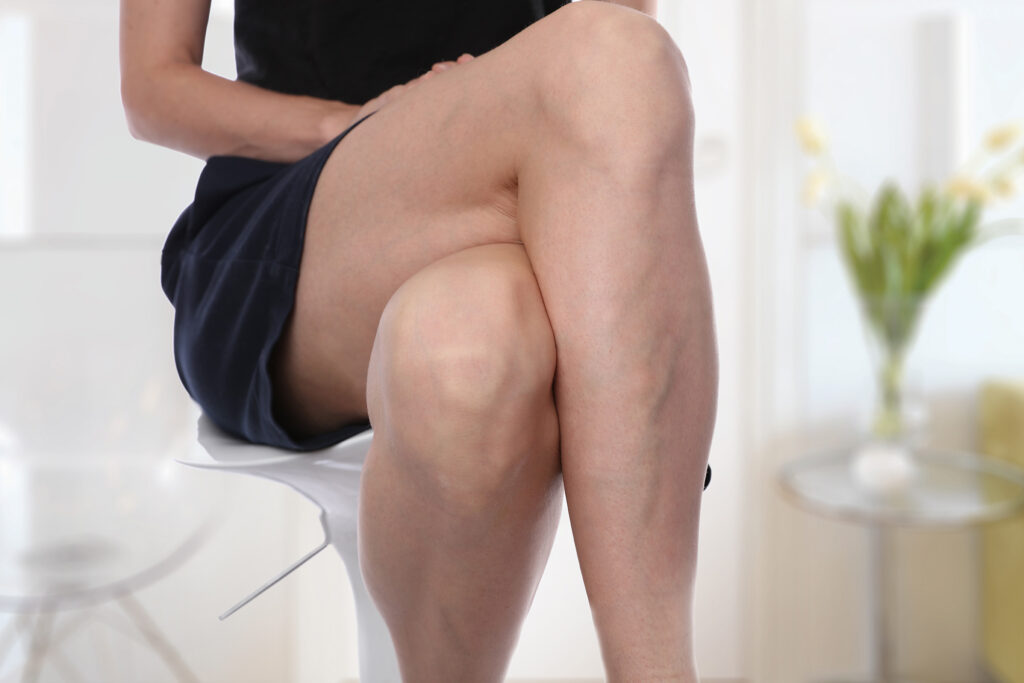
Skin changes caused by venous insufficiency occur when damaged vein valves allow blood to pool in your lower legs, creating chronic pressure that affects the skin’s appearance, texture, and health. These changes typically begin around the ankles and lower calves, manifesting as brownish discoloration, thickened or leathery texture, dry and itchy patches, or increased sensitivity.
This discoloration—called hemosiderin staining—develops when red blood cells leak through weakened vein walls and break down in the tissue, depositing iron pigment under the skin. While these changes may start subtly, they’re progressive and indicate advancing vein disease. Left untreated, skin changes can lead to venous eczema, persistent inflammation, skin breakdown, and ultimately venous leg ulcers that are difficult to heal. At Colorado Skin & Vein, our comprehensive vascular ultrasound pinpoints the exact source of your vein dysfunction, allowing us to create a treatment plan that addresses the underlying cause and prevents further skin damage.


Recognizing Vein-Related Skin Changes
Venous skin changes appear gradually but signal serious underlying circulation problems. Early recognition and treatment prevent progression to more severe complications.

Questions About Your Skin Changes? Ask Ava
Causes & Risk Factors
Why Do Vein-Related Skin Changes Develop?
Skin changes occur when chronic venous insufficiency creates sustained pressure in leg veins, causing blood cells and fluid to leak into surrounding tissue. Understanding your risk factors helps you recognize when skin changes require vascular evaluation.
- Age Over 50 – Vein valves and walls naturally weaken with age, increasing risk of venous insufficiency and resulting skin changes.
- Family History – Genetic predisposition to vein disease significantly increases your likelihood of developing venous insufficiency and skin complications.
- History of Varicose Veins – Existing varicose veins indicate valve dysfunction and increase risk of progressive skin changes.
- Previous Blood Clots – Prior deep vein thrombosis (DVT) can cause permanent valve damage leading to chronic venous insufficiency
- Prolonged Standing – Occupations requiring extended standing increase venous pressure and accelerate valve dysfunction.
- Obesity –Excess weight increases pressure on leg veins, compromising circulation and elevating skin change risk.
Advanced Treatments for Venous Skin Changes
Treating vein-related skin changes requires addressing the underlying venous insufficiency. Our minimally invasive procedures restore proper circulation, allowing your skin to heal and preventing further damage.
Endovenous Laser Ablation (EVLA)
Precisely targets and closes malfunctioning veins causing chronic pressure and skin changes. Laser energy seals diseased vessels, redirecting blood through healthy veins and reducing venous hypertension that damages skin.
Radiofrequency Ablation (RFA)
Uses controlled thermal energy to close incompetent veins contributing to skin changes. This minimally invasive procedure restores healthy circulation patterns, reducing inflammation and allowing skin to heal naturally over time.
Sclerotherapy
Injectable solution closes smaller diseased veins contributing to venous pressure and visible skin changes. Effective for treating superficial venous insufficiency and cosmetic concerns simultaneously.
VenaSeal™ Closure System
Medical-grade adhesive seals problematic veins without heat, offering comfortable treatment for venous insufficiency causing skin complications. No tumescent anesthesia or compression stockings required in many cases.
Frequently Asked Questions
Common Questions About Vein-Related Skin Changes
What causes skin discoloration from vein disease?
Skin discoloration develops when chronic venous insufficiency increases pressure in leg veins, causing them to become more permeable. Red blood cells leak through weakened vein walls into surrounding tissue, where they break down and deposit iron pigment called hemosiderin. This creates characteristic brownish, rust-colored, or reddish-brown staining around ankles and lower legs that doesn’t fade or blanch with pressure.
Are skin changes from vein disease permanent?
Hemosiderin staining and discoloration often improve significantly after treating the underlying venous insufficiency, though complete resolution may take six to twelve months as your body gradually reabsorbs the deposited pigment. However, advanced skin changes like lipodermatosclerosis (thick, hardened skin) may show only partial improvement even after successful vein treatment. Early intervention produces better cosmetic outcomes.
Can vein-related skin changes lead to ulcers?
Yes. Untreated venous skin changes are progressive and can lead to venous leg ulcers—open wounds that heal slowly or not at all. The progression typically moves from discoloration to texture changes, stasis dermatitis, skin breakdown, and finally ulceration. Once venous ulcers develop, they’re notoriously difficult to heal without treating the underlying vein disease causing the chronic pressure.
How are venous skin changes diagnosed?
Comprehensive vascular ultrasound is the gold standard for diagnosing the venous insufficiency causing skin changes. This painless imaging procedure maps blood flow through your leg veins, identifies malfunctioning valves, measures reflux (backward flow), and pinpoints exactly which vessels require treatment. Combined with visual examination of your skin changes, ultrasound provides a complete picture of your vascular health.
Will treating my varicose veins improve my skin?
Yes. When we treat the underlying venous insufficiency causing your varicose veins, we reduce chronic venous pressure that damages skin. Most patients see gradual improvement in skin inflammation, texture, and discoloration over several months following treatment. However, results depend on how advanced the skin changes are when treatment begins—another reason early intervention matters.
How long does it take for skin to heal after vein treatment?
Skin healing timelines vary based on the severity of changes before treatment. Inflammation and itching typically improve within weeks, while discoloration gradually fades over six to twelve months. Texture changes and thickened skin may take longer or show partial improvement. Venous ulcers often begin healing within weeks once underlying venous insufficiency is corrected, though complete closure may take several months with proper wound care.
Are there home treatments for venous skin changes?
While you can’t reverse venous insufficiency at home, medical-grade compression stockings, regular leg elevation above heart level, gentle exercise to activate calf muscles, and keeping skin moisturized help manage symptoms. However, these measures are supportive—not curative. Skin changes indicate underlying vein disease requiring medical evaluation and treatment to prevent progression.
Will insurance cover treatment for skin changes?
Most insurance plans, including Medicare, cover medically necessary vein treatments when symptoms like skin changes, swelling, pain, or ulcers impact your quality of life. Skin discoloration, texture changes, stasis dermatitis, and venous ulcers are recognized medical complications of venous insufficiency. Our team handles insurance verification, pre-authorization, and documentation to maximize your coverage.
How do I know if my skin changes are from vein disease?
Venous skin changes typically appear around the ankles and lower calves, often accompanied by visible veins, leg swelling, heaviness, or aching that worsens with standing and improves with elevation. The characteristic brownish discoloration (hemosiderin staining) combined with these symptoms strongly suggests venous insufficiency. Vascular ultrasound definitively diagnoses the cause and guides appropriate treatment.
Should I see a doctor for brownish discoloration on my legs?
Yes. Brownish discoloration around your ankles or lower legs, especially if accompanied by visible veins, swelling, or other symptoms, warrants vascular evaluation. This discoloration indicates chronic venous insufficiency—a progressive condition that worsens without treatment. Early diagnosis and intervention prevent progression to more serious complications like venous ulcers.
Denver's Trust Vein Experts
For 20 years, Denver-area patients have trusted us for exceptional vascular care. Our combination of medical expertise, cutting-edge technology, and personalized attention delivers outcomes that truly transform lives.