
Pregnancy and Varicose Veins

What Are Pregnancy Varicose Veins?
Pregnancy varicose veins are enlarged, twisted veins appearing beneath the skin—most commonly on your legs, ankles, and sometimes the vulvar area. Unlike smaller spider veins, varicose veins are larger, raised, and often cause noticeable discomfort.
During pregnancy, your body undergoes remarkable circulatory changes. Blood volume increases by up to 50%, placing additional pressure on your veins. Elevated progesterone relaxes vein walls, while your expanding uterus compresses the inferior vena cava—the large vein returning blood from your legs to your heart. These forces weaken vein valves, allowing blood to pool and veins to swell.
Most pregnancy varicose veins improve or disappear within three to four months after delivery. At Colorado Skin & Vein, our specialists use advanced diagnostic ultrasound to assess your vein health and provide personalized recommendations—whether you’re managing first-trimester symptoms or planning postpartum treatment.

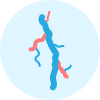
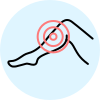
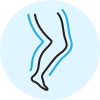
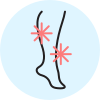
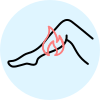
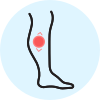
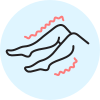
Common Signs of Varicose Veins During Pregnancy
Questions About Pregnancy Vein Changes? Ask Ava
Why Do Varicose Veins Develop During Pregnancy?
Pregnancy creates the perfect conditions for varicose vein development through hormonal shifts, increased blood volume, and physical pressure on your circulatory system. Understanding your specific risk factors helps you recognize when to seek professional guidance.
- Increased Blood Volume –Pregnancy increases blood volume by up to 50% to support fetal development, placing significant additional pressure on vein walls and valves.
- Progesterone & Hormonal Changes – Elevated progesterone relaxes smooth muscle in vein walls, reducing their ability to effectively push blood upward against gravity.
- Uterine Pressure on Veins – Your growing uterus compresses the inferior vena cava and pelvic veins, restricting blood flow from your legs back to your heart.
- Family History – Genetic predisposition to weak vein valves significantly increases your likelihood—you're up to six times more likely if your mother had pregnancy varicose veins.
- Multiple Pregnancies – Each pregnancy weakens vein structures through repeated periods of prolonged stress, making varicose veins more likely with subsequent pregnancies.
- Age Over 30 – Vein valve function naturally declines with age, increasing varicose vein risk during pregnancy for women over 30—particularly those over 34.
Managing Varicose Veins During and After Pregnancy
Medical-Grade Compression Stockings
Graduated compression garments apply gentle, consistent pressure to support vein function and reduce swelling—safe throughout pregnancy and most effective when worn daily, especially during standing or travel.
Leg Elevation & Rest
Elevating your legs above heart level several times daily allows gravity to assist blood flow back to your heart, reducing pooling, swelling, and discomfort naturally.
Regular Low-Impact Exercise
Walking, swimming, and prenatal yoga promote healthy circulation by engaging calf muscles that pump blood upward—helping prevent symptom progression while supporting overall pregnancy health.
Sleep Position Modifications
Sleeping on your left side relieves pressure on the inferior vena cava, improving circulation from your legs and reducing overnight vein strain and morning swelling.
Postpartum: Endovenous Laser Ablation (EVLA)
For veins persisting beyond three months postpartum, laser energy safely closes malfunctioning veins, redirecting blood through healthy vessels—minimally invasive with rapid recovery.
Postpartum: Sclerotherapy
Injectable solution closes smaller varicose and spider veins that remain after delivery—quick office procedure providing excellent cosmetic and therapeutic results without downtime.
Common Questions About Pregnancy Varicose Veins
Why do varicose veins develop during pregnancy?
Pregnancy creates ideal conditions for varicose veins through three mechanisms: blood volume increases by up to 50%, placing extra pressure on vein walls; elevated progesterone relaxes vein walls and weakens valve function; and your growing uterus compresses pelvic veins, restricting blood flow from legs to heart. These forces combine to allow blood pooling and vein swelling—especially in women with genetic predisposition or multiple pregnancies.
When do varicose veins typically appear during pregnancy?
Most women notice varicose veins in the first trimester—often within the first two to three weeks of pregnancy. As your uterus grows, existing veins typically become more pronounced and symptoms intensify, with third-trimester discomfort usually the most noticeable.
Will my varicose veins go away after delivery?
Most pregnancy varicose veins improve significantly or disappear within three to four months postpartum as your uterus returns to normal size, blood volume decreases, and hormones stabilize. However, veins present before pregnancy, those from multiple pregnancies, or strong genetic predisposition are less likely to resolve completely.
Are varicose veins during pregnancy dangerous?
Pregnancy varicose veins are usually harmless. However, seek immediate medical attention for: sudden swelling in one leg only, bleeding from a vein, open sores near veins, or severe pain with redness and warmth. These may indicate deep vein thrombosis or complications requiring prompt evaluation.
Can I prevent varicose veins during pregnancy?
While you cannot entirely prevent them with genetic predisposition, you can reduce severity through: wearing medical-grade compression stockings daily, avoiding prolonged standing or sitting, elevating legs several times daily, sleeping on your left side, exercising regularly with walking or swimming, and maintaining healthy pregnancy weight.
Is it safe to wear compression stockings during pregnancy?
Medical-grade compression stockings are safe and highly recommended throughout pregnancy. They apply graduated pressure to support vein function and reduce swelling. For best results, put them on first thing in the morning before swelling develops and wear throughout the day, especially during standing or travel.
What exercises help pregnancy varicose veins?
Low-impact exercises that engage calf muscles are most beneficial: walking 20-30 minutes daily, swimming or water aerobics, prenatal yoga, and ankle flexion exercises while seated. Always consult your obstetrician before starting any exercise program.
How long should I wait after delivery to treat persistent varicose veins?
Wait three to four months postpartum before pursuing treatment. This allows natural vein improvement, hormonal stabilization, and postpartum recovery completion. If breastfeeding, discuss timing with your specialist. Colorado Skin & Vein provides comprehensive postpartum evaluations to determine optimal treatment timing.
Denver's Trust Vein Experts
For 20 years, Denver-area patients have trusted us for exceptional vascular care. Our combination of medical expertise, cutting-edge technology, and personalized attention delivers outcomes that truly transform lives.