
Photodynamic Therapy (PDT)
Clear problem skin, eliminate precancerous cells, and restore healthy radiance with light-activated treatment—a powerful, targeted solution for sun damage, acne, and skin renewal.
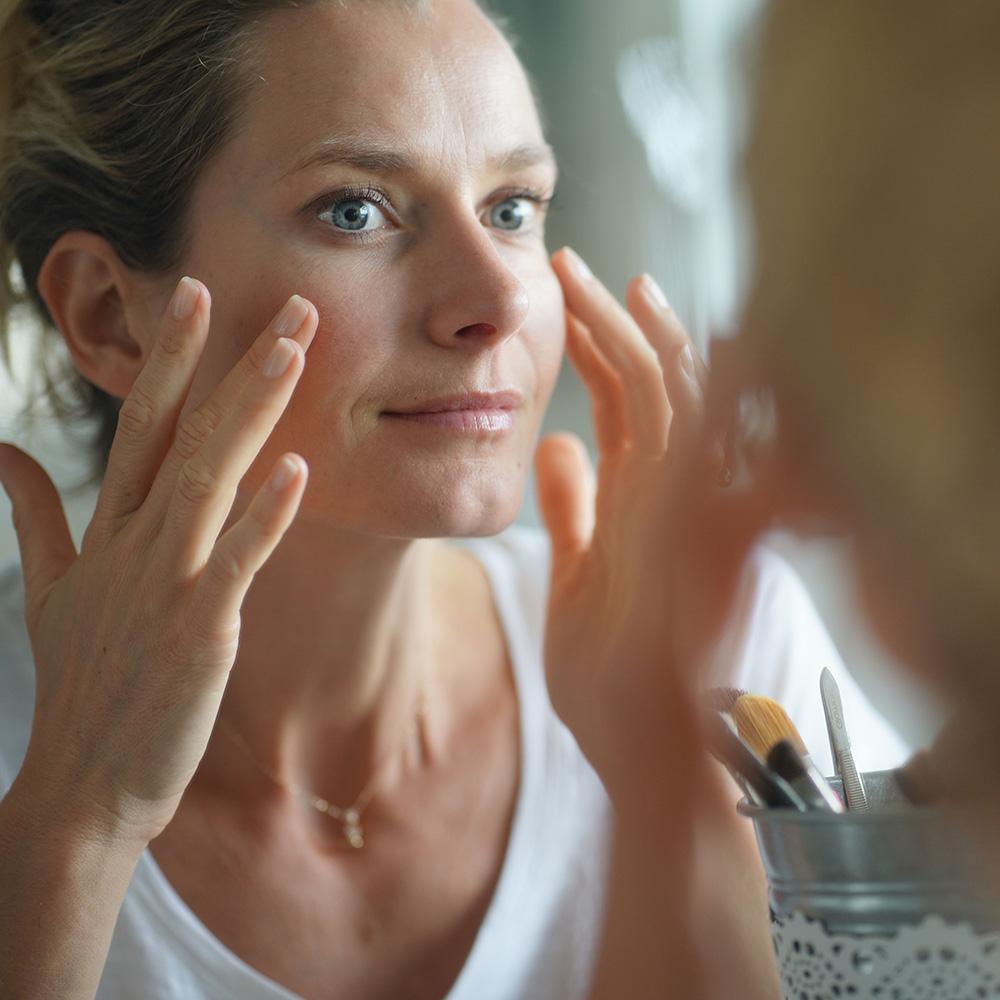
How Photodynamic Therapy Works
Photodynamic therapy combines a topical photosensitizing medication (Levulan) with targeted light activation to eliminate damaged skin cells. The medication is applied to treatment areas and selectively absorbed by problem cells—precancerous lesions, acne bacteria, overactive oil glands, and sun-damaged tissue. After a 1-3 hour incubation period, Blu-U blue light activates the medication, triggering a reaction that destroys targeted cells while leaving healthy skin intact.
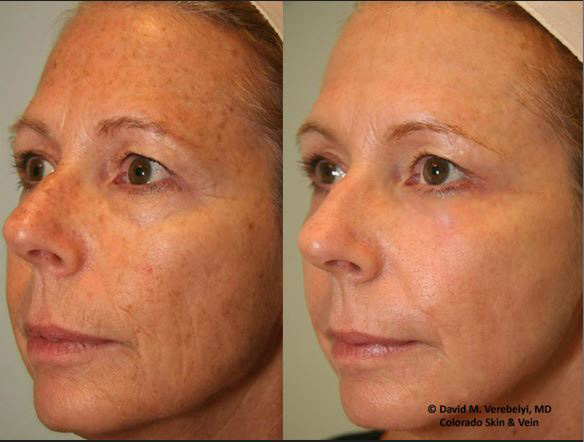
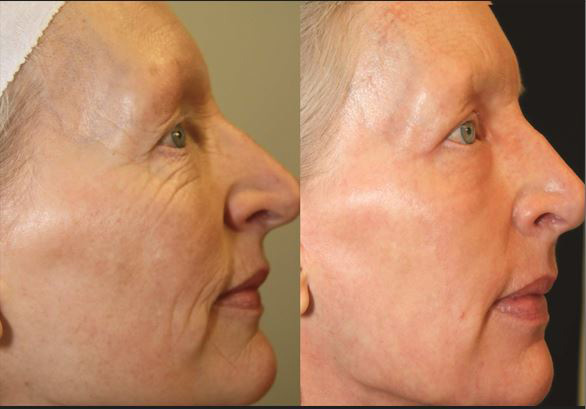
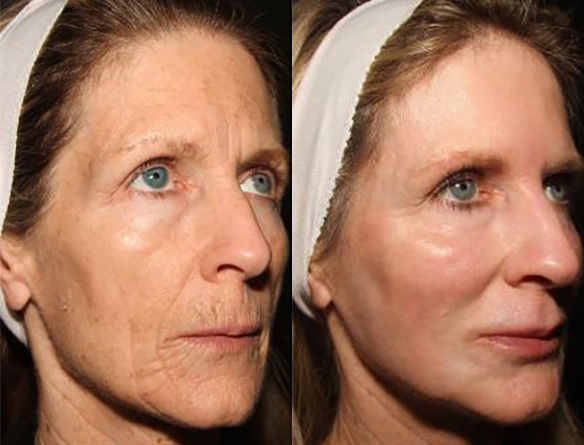
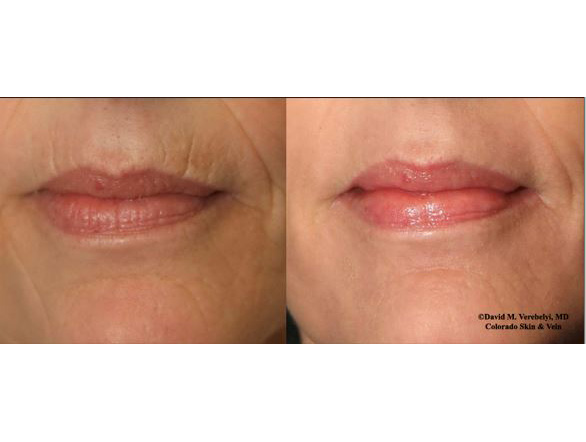
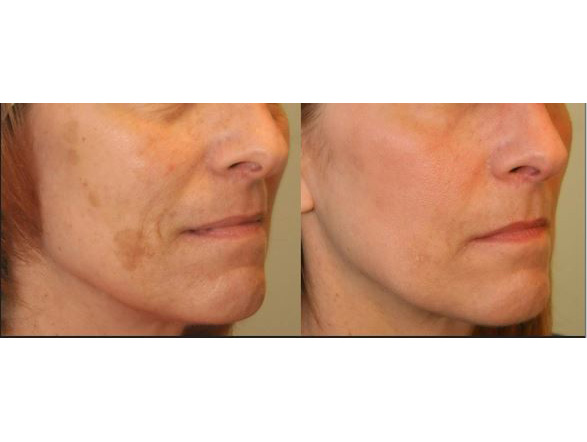
PDT delivers visible skin transformation—smoother texture, refined pores, reduced redness, and a clearer, more radiant complexion. It’s particularly effective for patients seeking comprehensive skin renewal without surgery or extended downtime. With over 20 years of laser medicine experience, Dr. Verebelyi customizes every PDT treatment to your unique skin goals, ensuring both safety and beautiful, lasting results.
What You Need to Know
- Targeted Problem Cells: Eliminates problem cells without harming healthy tissue
- FDA-Approved: Proven safe and effective for precancerous lesions
- Comprehensive Coverage: Treats visible and hidden damage simultaneously
- Dual Action: Addresses current concerns while preventing future issues
- Minimal Invasiveness: No incisions or injections required
What Conditions Does PDT Treat?
Photodynamic therapy delivers powerful results for multiple skin concerns, from precancerous damage to stubborn acne and visible aging. Our treatments target problem cells at their source while promoting healthier, clearer skin.
- Sebaceous Hyperplasia: Flatten enlarged oil glands causing small yellow bumps.
- Sun Damage: Reverse UV damage, fade brown spots, and improve texture.
- Oily Skin & Enlarged Pores: Suppress oil production to refine pores and minimize shine.
- Actinic Keratosis (Precancerous Lesions): Eliminate rough, scaly spots before they become skin cancer.
- Treatment-Resistant Acne: Clear stubborn breakouts unresponsive to traditional treatments.
- Rosacea: Reduce facial redness, visible vessels, and inflammatory flare-ups.
Your Photodynamic Therapy Journey

Before Treatment
Consultation and preparation ensure optimal results and safety.
- Personalized Consultation: Comprehensive skin assessment and customized treatment plan development
- Minimize Sun Exposure: Minimize UV for one week before treatment
- Arrive Clean: Freshly cleansed skin, no makeup or skincare products
During Treatment
Quick, comfortable procedure combining medication application with light activation.
- Medication Application: Levulan applied for 1-3 hours incubation
- Light Activation: 16 minutes of Blu-U blue light exposure
- Mild Sensation: Warm, tingling feeling during activation; cooling fan available
- Immediate Protection: Sunscreen applied post-treatment
After Treatment
Results develop as damaged cells clear, revealing healthier skin.
- Strict Sun Avoidance: No sunlight or bright lights for 48 hours
- Expected Healing: Redness and peeling days 3-7, resembles moderate sunburn
- Recovery Timeline: Full healing 1-2 weeks; optimal results visible at 4-6 weeks
- Multiple Sessions: Additional sessions may be recommended
Questions About PDT? Ask Ava.
Get instant answers about photodynamic therapy anytime. Ava provides personalized guidance on treatment candidacy, expected results, preparation requirements, recovery timelines, and whether PDT is right for your skin concerns—available 24/7.
20+ Years of Aesthetics Excellence
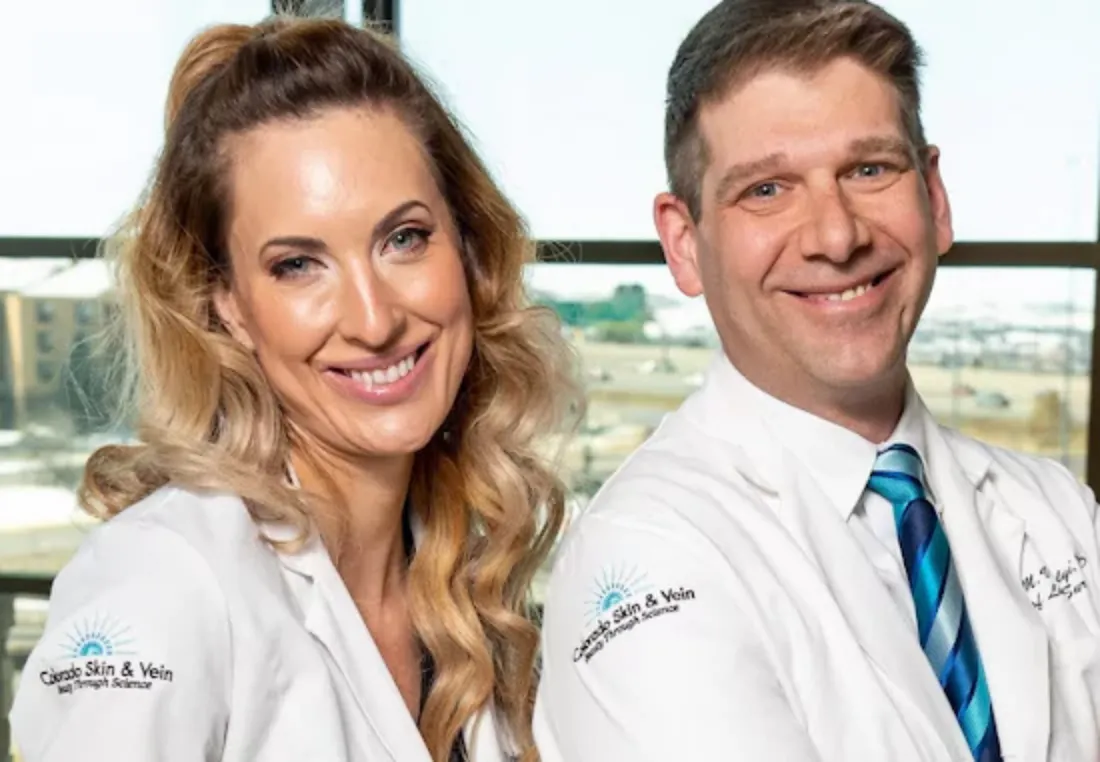
The team at Colorado Skin & Vein, led by David Verebelyi, MD, RVT, and Christina Jordan, FNP, CANS, has been treating vein conditions for over two decades, earning a reputation as leaders in advanced vascular and laser medicine.
Dr. David Verebelyi serves as Chief of Laser Surgery at Colorado Skin & Vein, bringing over 20 years of specialized experience in venous care and minimally invasive vein treatments.
- Double board-certified physician
- Registered Vascular Technician with advanced diagnostic imaging expertise
- Fellow & Instructor, American Society for Laser Medicine and Surgery
- Personally performs all vein procedures using state-of-the-art technology
- Holds honors MD and B.S. in Science & Psychology
Photodynamic Therapy FAQ
What does PDT treat?
Actinic keratosis (precancerous lesions), treatment-resistant acne, rosacea, sebaceous hyperplasia, sun damage, oily skin, and photoaging.
Is photodynamic therapy painful?
Most patients experience warmth, tingling, or mild stinging during light activation. Cooling fans help manage discomfort. The sensation is temporary and well-tolerated.
How long does a PDT treatment take?
Total appointment time is 2-3 hours: medication application and incubation (1-3 hours), followed by 16 minutes of light activation.
What does recovery look like?
Expect sunburn-like redness, swelling, and peeling for 5-7 days. Strict sun avoidance required for 48 hours post-treatment. Full healing takes 1-2 weeks.
Can I wear makeup after PDT?
Avoid makeup for 24-48 hours post-treatment. Once initial redness subsides and skin isn’t actively peeling, mineral makeup is acceptable.
How many PDT treatments will I need?
Most patients require 2-3 treatments spaced 4-6 weeks apart for optimal results. Maintenance treatments may be recommended annually for sun damage prevention.
Will my skin peel after PDT?
Peeling typically begins days 3-4 and lasts 5-7 days. This is normal and indicates damaged cells are being cleared. Do not pick or force peeling.
Can PDT prevent skin cancer?
Yes. By eliminating actinic keratosis (precancerous lesions) and treating hidden sun damage, PDT significantly reduces skin cancer risk in treated areas.
How soon will I see results?
Initial redness and peeling occur within days. Optimal results—clearer, healthier skin—become visible 4-6 weeks post-treatment as new cells regenerate.
Will my insurance cover PDT?
Insurance often covers PDT for actinic keratosis and precancerous lesions. Coverage for acne, rosacea, or cosmetic concerns varies. We verify benefits during consultation.
What's the difference between PDT and IPL?
IPL uses light alone to target pigment and blood vessels. PDT uses medication activated by light to destroy specific problem cells. They treat different concerns.