Ambulatory Phlebectomy for Varicose Veins
What Is Ambulatory Phlebectomy?
Ambulatory phlebectomy, also called microphlebectomy, is a minimally invasive surgical technique designed to remove bulging surface varicose veins through tiny punctures or micro-incisions. Using specialized hooks and instruments, the physician carefully extracts diseased vein segments through openings no larger than 2-3mm—small enough to eliminate the need for stitches. This targeted approach allows for immediate removal of visible veins that cannot be treated with thermal ablation alone.
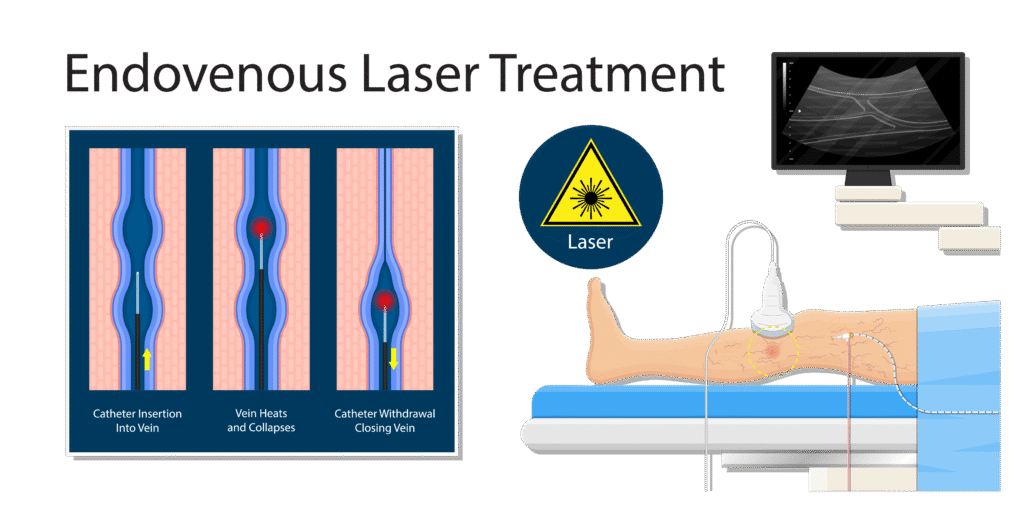
As a complementary procedure to endovenous ablation, ambulatory phlebectomy addresses the cosmetic concerns of prominent varicose veins while improving circulation and reducing symptoms. The technique has been refined over decades and remains the gold standard for removing larger surface veins that protrude from the skin. Because the procedure is performed under local anesthesia in an office setting, patients walk out immediately and resume normal activities within days, with minimal visible scarring.
- Immediate Removal: Visible varicose veins extracted during single session
- Tiny Incisions: Entry points 2-3mm, no stitches required
- Minimal Scarring: Incisions heal to barely visible marks
- Office-Based: Performed under local anesthesia, walk out same day
- Rapid Recovery: Return to normal activities within 2-3 days
What Conditions Does Ambulatory Phlebectomy Treat?
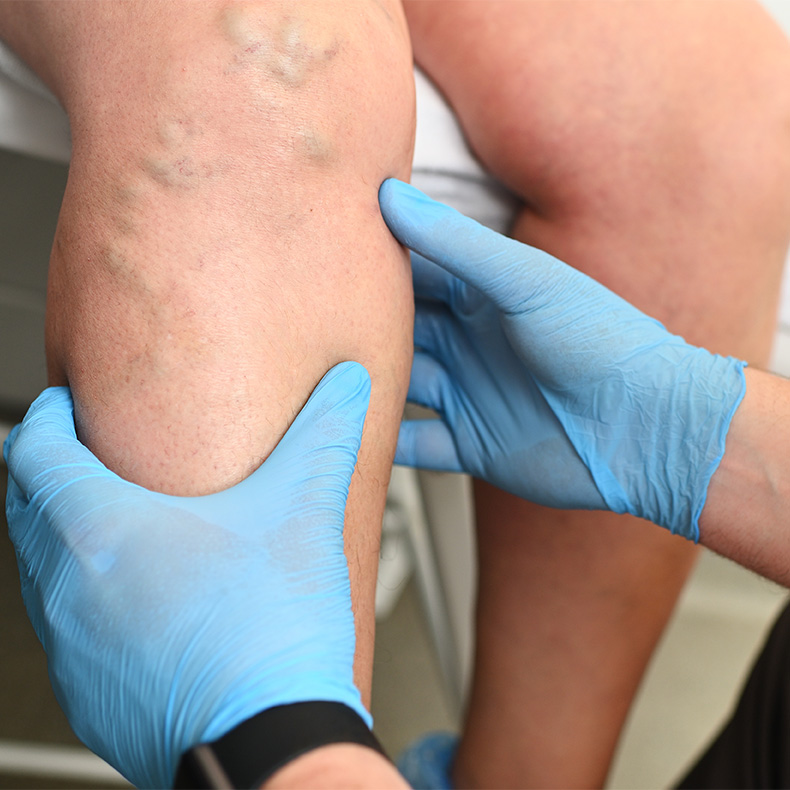
Ambulatory Phlebectomy specifically targets bulging surface varicose veins that protrude from the skin and cannot be adequately treated with endovenous thermal ablation or sclerotherapy alone. This technique is ideal for removing cosmetically concerning veins while addressing underlying venous insufficiency.
- Bulging Varicose Veins:
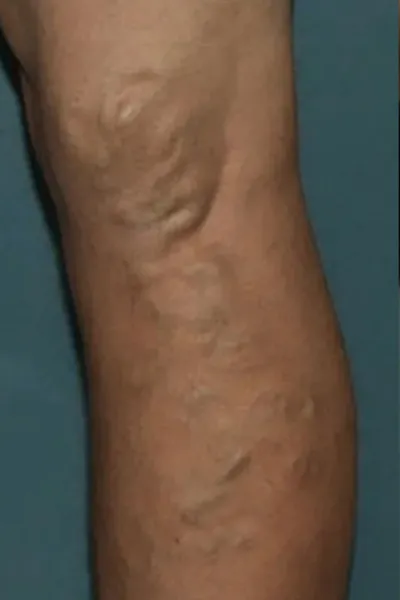
Large surface veins that protrude from the skin, creating visible bumps and rope-like clusters. Ambulatory phlebectomy allows immediate physical removal of these veins, providing instant cosmetic improvement and symptom relief from aching and heaviness. - Residual Varicosities:
Remaining surface veins after endovenous ablation of the saphenous trunk vein. These branch veins, no longer receiving reflux from the main vein, are removed through micro-incisions for complete treatment and optimal aesthetic results.
How Ambulatory Phlebectomy Works
- Pre-Procedure Mapping: With you standing, Dr. Verebelyi uses a surgical marking pen to trace the exact path of bulging varicose veins on your skin. This vein mapping ensures precise targeting and optimal incision placement for minimal scarring.
- Local Anesthesia: Tumescent anesthesia—a dilute numbing solution—is injected along the vein path, providing complete comfort during the procedure while also minimizing bleeding and bruising.
- Micro-Incision Creation: Using a specialized blade or needle, Dr. Verebelyi creates tiny entry points (2-3mm) along the vein path. These punctures are strategically placed to allow complete vein removal while optimizing cosmetic outcomes.
- Vein Extraction: Through each micro-incision, a specialized phlebectomy hook grasps and gently pulls the vein segment to the surface. The vein is carefully removed in sections, with multiple small incisions allowing complete extraction of the entire diseased vein.
- Incision Closure: The micro-incisions are so small that stitches are typically unnecessary. Surgical tape or adhesive strips hold the skin edges together, promoting optimal healing and minimal scarring.
- Compression Application: A compression bandage or stocking is applied to the treated leg, minimizing bruising and supporting healing while you walk out of the office immediately after the procedure.
What to Expect
Before Treatment
Your consultation includes detailed vein mapping and ultrasound evaluation to determine candidacy and plan optimal incision placement for minimal scarring.
- Ultrasound Evaluation: Comprehensive vein assessment
- Vein Mapping: Standing evaluation of bulging veins
- Pre-Procedure Instructions: Medication and clothing guidelines
- Consultation Duration: 45-60 minutes
During Treatment
Local anesthesia provides complete comfort while Dr. Verebelyi systematically removes each marked vein segment through strategically placed micro-incisions.
- Tumescent Anesthesia: Small injections for complete numbness
- Vein Extraction: Systematic removal through tiny punctures
- Patient Comfort: Awake, no pain during procedure
- Procedure Duration: 30-60 minutes
After Treatment
Compression dressing supports healing while you walk out and resume light activities immediately. Most patients return to work within 1-2 days.
- Immediate Walking: 10-15 minutes before discharge
- Compression: 48-72 hours continuous, then daytime 1-2 weeks
- Activity Limits: No strenuous exercise 7-10 days
- Visible Results: Immediate removal, final result 2-3 months
Ambulatory Phlebectomy Results & Recovery
Immediate & Short-Term Recovery
- Same-Day Mobility: Walk immediately after procedure, driving permitted next day
- Compression Requirements: Continuous 48-72 hours, then daytime only 1-2 weeks
- Common Side Effects: Bruising, mild tenderness, tightness along treated areas (2-4 weeks)
- Activity Restrictions: Avoid strenuous exercise, heavy lifting, prolonged standing 7-10 days
- Return to Work: Next day for desk jobs, 2-3 days for physical occupations
- Incision Healing: Surgical tape removed after 5-7 days, incisions close within 2 weeks
- Visible Improvement: Immediate vein removal, final cosmetic result develops over 2-3 months
Long-Term Outcomes
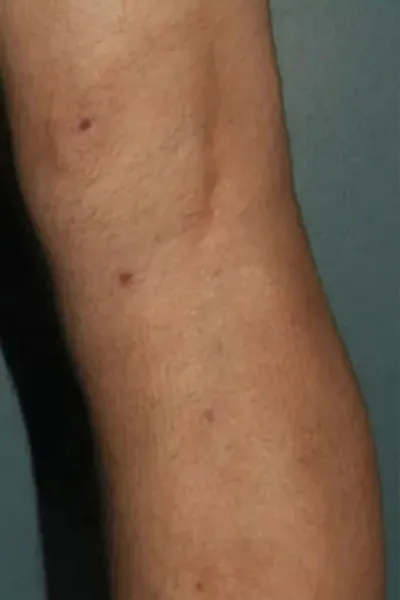
- Cosmetic Results: Bulging veins eliminated, incisions fade within 6-12 months
- Symptom Resolution: Pain, heaviness, aching resolve within 2-4 weeks
- Scarring: Micro-incisions heal to small, flat marks that continue fading over time
- Permanence: Removed veins do not return; new varicosities may develop from genetic predisposition
- Patient Satisfaction: High satisfaction rates due to immediate visible improvement
- Combination Treatment: Often performed with endovenous ablation for comprehensive results
Questions About Ambulatory Phlebectomy? Ask Ava.
20+ Years of Vascular Excellence
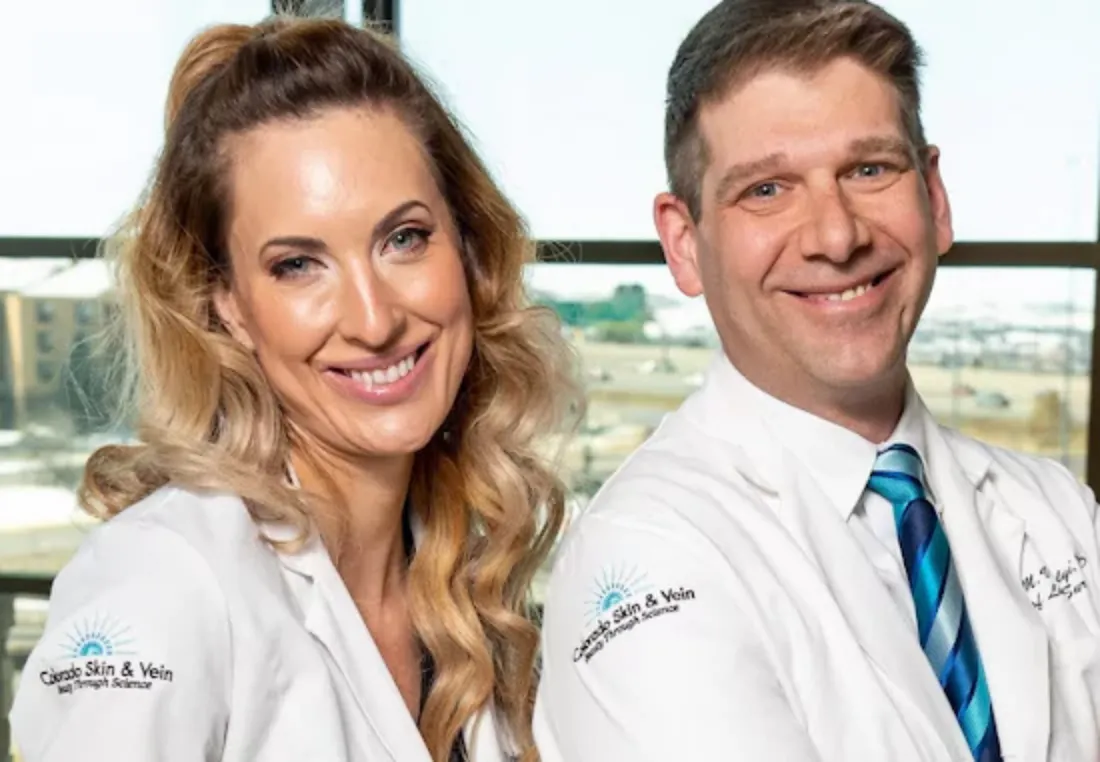
The team at Colorado Skin & Vein, led by David Verebelyi, MD, RVT, and Christina Jordan, FNP, CANS, has been treating vein conditions for over two decades, earning a reputation as leaders in advanced vascular and laser medicine.
Dr. David Verebelyi serves as Chief of Laser Surgery at Colorado Skin & Vein, bringing over 20 years of specialized experience in venous care and minimally invasive vein treatments.
- Double board-certified physician
- Registered Vascular Technician with advanced diagnostic imaging expertise
- Fellow & Instructor, American Society for Laser Medicine and Surgery
- Personally performs all vein procedures using state-of-the-art technology
- Holds honors MD and B.S. in Science & Psychology
Ambulatory Phlebectomy Frequently Asked Questions
Is ambulatory phlebectomy painful?
How long does ambulatory phlebectomy take?
Treatment duration depends on the number and size of veins being removed. Most procedures take 30-60 minutes. Including preparation and post-procedure instructions, expect to spend approximately 90 minutes at our office.
Will I have scars after ambulatory phlebectomy?
When can I return to work?
Most patients return to work the next day. Desk jobs present no issues. If your work involves prolonged standing, heavy lifting, or strenuous physical activity, plan for 2-3 days of modified duty.
Can I exercise after ambulatory phlebectomy?
Light walking is encouraged immediately. Avoid strenuous exercise, running, heavy lifting, and high-impact activities for 7-10 days. After 10 days, gradually resume your normal fitness routine as tolerated.
Do I need to wear compression stockings?
Yes. Compression is essential for optimal healing and minimal bruising. Wear compression continuously for 48-72 hours, then during waking hours only for an additional 1-2 weeks as directed.
Is ambulatory phlebectomy covered by insurance?
When performed to treat symptomatic varicose veins causing pain, swelling, or other functional impairment, ambulatory phlebectomy is typically covered by insurance. Coverage requires documentation of symptoms and medical necessity. We verify benefits and obtain authorization before treatment.
How is ambulatory phlebectomy different from sclerotherapy?
Ambulatory phlebectomy physically removes bulging varicose veins through micro-incisions. Sclerotherapy injects a solution to collapse veins, but is typically used for smaller spider veins and cannot effectively treat large, bulging varicosities. Phlebectomy provides immediate removal of prominent veins.
Can varicose veins return after ambulatory phlebectomy?
The specific veins removed will not return. However, genetic predisposition to varicose veins means new veins may develop over time in different locations. Maintaining a healthy weight, staying active, and managing risk factors help prevent new vein formation.