
Understanding Superficial Thrombophlebitis
When a superficial vein becomes inflamed and tender, it’s more than discomfort—it’s a warning sign. At Colorado Skin & Vein, our vascular specialists identify the underlying cause and deliver targeted treatment to resolve inflammation and prevent complications.

Understanding Superficial Thrombophlebitis
What Is Superficial Thrombophlebitis?
Superficial thrombophlebitis occurs when a blood clot forms in a vein near the skin’s surface, causing inflammation, pain, and tenderness along the affected vein. While this condition involves veins close to the surface—unlike the deeper, more serious deep vein thrombosis (DVT)—it still requires medical attention.
The inflammation typically develops after vein injury, prolonged IV use, or in the presence of varicose veins. As the clot forms, the vein walls become inflamed, creating a tender, rope-like cord beneath your skin. You might notice warmth, redness, and localized pain that worsens when the area is touched. While superficial thrombophlebitis is generally less dangerous than DVT, it can indicate underlying venous insufficiency that increases your risk for future complications. In some cases, clots in superficial veins can extend into the deep venous system, making professional evaluation essential.
At Colorado Skin & Vein, we use diagnostic ultrasound to assess clot extent and identify any underlying vein problems. Our treatment approach addresses both immediate inflammation and the vascular issues that allowed the condition to develop.




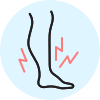


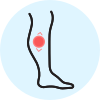
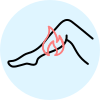
Common Signs of Superficial Thrombophlebitis
Superficial thrombophlebitis presents distinct symptoms that require medical evaluation. Recognize these warning signs.

Questions About Vein Pain or Inflammation? Ask Ava
Concerned about tenderness, redness, or swelling along a vein? Ava, our vein health assistant, provides immediate answers to your questions about superficial thrombophlebitis, symptoms, and when to seek care.
Causes & Risk Factors
What Causes Superficial Thrombophlebitis?
Superficial thrombophlebitis develops when blood clots form in veins near your skin’s surface. Understanding your risk factors helps you recognize when symptoms require medical evaluation.
- Varicose Veins – Enlarged, damaged veins with poor blood flow create an environment where blood pools and clots form more easily.
- Prolonged Inactivity – Extended sitting or bed rest slows circulation, allowing blood to pool in leg veins and increasing clot risk.
- Previous Blood Clots – History of thrombophlebitis or DVT increases your likelihood of developing superficial clots.
- Pregnancy – Hormonal changes and increased blood volume during pregnancy raise clotting risk and stress the venous system.
Effective Treatment for Superficial Thrombophlebitis
Endovenous Laser Ablation (EVLA)
Laser energy closes malfunctioning veins that contribute to clot formation. This minimally invasive procedure treats underlying venous insufficiency, eliminating the conditions that allow superficial thrombophlebitis to develop.
Radiofrequency Ablation (RFA)
Radiofrequency heat seals diseased veins from the inside, restoring healthy circulation patterns. By correcting venous reflux, RFA prevents the blood pooling and stagnation that lead to clot formation.
VenaSeal™ Closure System
Medical adhesive permanently closes problematic veins without heat or multiple injections. This comfortable procedure treats underlying vein disease while requiring no compression stockings post-treatment in many cases.
Sclerotherapy
Injectable medication closes superficial veins prone to inflammation and clotting. Effective for treating both the affected vein and associated varicosities that increase your risk for recurrent thrombophlebitis.
Ambulatory Phlebectomy
Problematic superficial veins are removed through tiny incisions, eliminating vessels that repeatedly clot or cause symptoms. This outpatient procedure prevents future episodes while improving appearance.
Frequently Asked Questions
What is superficial thrombophlebitis?
What is superficial thrombophlebitis?
Superficial thrombophlebitis is inflammation of a vein near the skin’s surface caused by a blood clot. Unlike deep vein thrombosis, this condition affects veins you can see and feel just beneath your skin, creating a tender, rope-like cord.
How is it different from deep vein thrombosis?
Superficial thrombophlebitis affects veins near the surface, while DVT involves deeper veins within your muscles. DVT carries higher risk for pulmonary embolism and typically requires blood thinners, whereas superficial clots usually resolve with less aggressive treatment.
Is superficial thrombophlebitis dangerous?
While generally less serious than DVT, superficial thrombophlebitis can extend into the deep venous system in some cases. It also indicates underlying vein problems that increase future clot risk. Professional evaluation ensures appropriate monitoring and treatment.
Can I exercise with superficial thrombophlebitis?
Gentle walking is usually encouraged as it promotes circulation and healing. Avoid high-impact activities and exercises that strain the affected area until your specialist clears you. Movement prevents complications while supporting recovery.
Will the clot travel to my lungs?
Superficial clots rarely cause pulmonary embolism. However, if the clot extends into deep veins, this risk increases. Diagnostic ultrasound confirms clot location and extent, allowing appropriate treatment and monitoring.
Can varicose veins cause this?
Yes. Varicose veins create slow, turbulent blood flow that promotes clot formation. Treating underlying venous insufficiency eliminates this risk and prevents recurrent thrombophlebitis.
Should I elevate my leg?
Elevation above heart level reduces swelling and improves venous drainage, supporting healing. Elevate your leg when resting, especially during the first few days after symptom onset.
When should I see a doctor?
Seek immediate evaluation if you develop sudden leg pain, swelling, warmth, or redness. Also consult a specialist if you have a hard, tender vein, symptoms don’t improve within a few days, or you have risk factors like previous blood clots.
Can I fly with superficial thrombophlebitis?
Consult your vascular specialist before air travel. Recent or active thrombophlebitis increases DVT risk during flights. Your doctor may recommend compression, medication, or delaying travel until inflammation resolves.
Does insurance cover treatment?
Most insurance plans cover medically necessary treatment for superficial thrombophlebitis and underlying venous insufficiency. Our team handles verification and pre-authorization, maximizing your coverage and minimizing out-of-pocket costs.
Denver's Trust Vein Experts
For 20 years, Denver-area patients have trusted us for exceptional vascular care. Our combination of medical expertise, cutting-edge technology, and personalized attention delivers outcomes that truly transform lives.